 Skip to content
Fire and Smoke Damage
After a Fire
Fire and Smoke Damage Restoration That Stops Further Loss
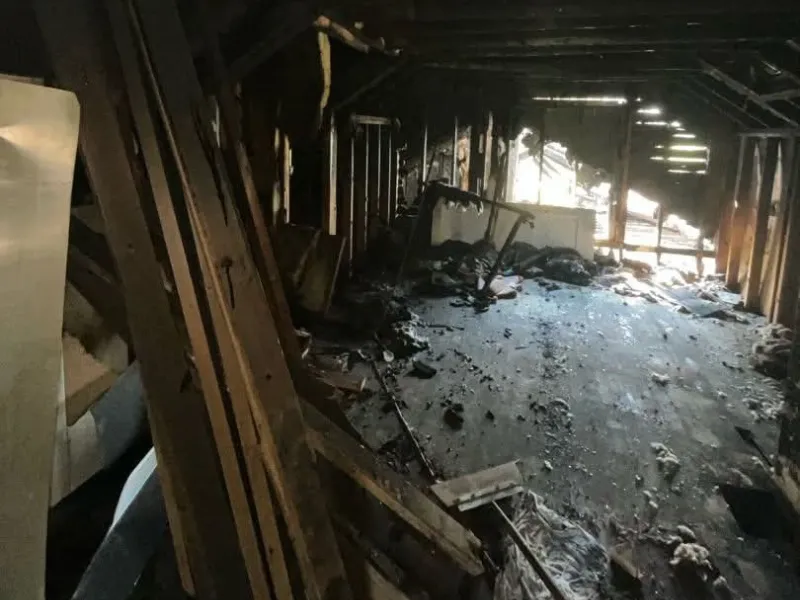
Fire damage can leave behind more than visible destruction. Smoke, soot, and heat affect surfaces, contents, and air quality long after flames are out.
Our fire and smoke damage restoration service focuses on fast fire damage cleanup, smoke damage cleanup, and stabilization to prevent lingering odors and secondary damage. Early action helps preserve materials and reduce long-term repair needs.
Act Quickly After Fire Damage
Delaying cleanup allows soot and smoke residue to spread deeper into materials and become harder to remove. Prompt fire damage restoration and smoke damage cleanup help protect surfaces, reduce corrosion, and limit smoke odor absorption before lasting damage sets in.
Why Timing Matters
The Hidden Impact of Smoke
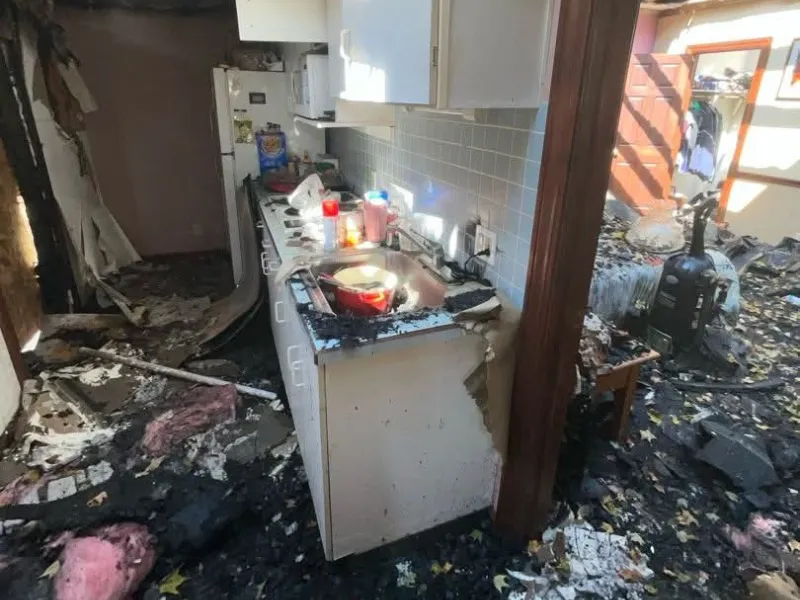
Smoke damage is often more widespread than fire damage itself. Soot particles can travel through ventilation systems, settle on surfaces, and penetrate porous materials like drywall, insulation, and fabrics. Without proper smoke damage cleanup, residue can cause permanent staining, corrosion, and persistent odors. Fire and smoke damage restoration addresses both visible damage and contamination that may not be immediately obvious.
Smoke odor removal is especially important, as odors can become embedded in materials and resurface over time. Fire damage cleanup also helps protect electronics, fixtures, and structural components from ongoing deterioration. Acting quickly reduces the spread of residue, limits material loss, and supports a safer indoor environment after a fire event.
What Fire Damage Restoration Includes
Our fire damage restoration process is designed to address smoke, soot, and fire-related residue while stabilizing the property. The first step involves assessing the extent of damage and identifying areas affected by smoke migration. Fire damage cleanup includes removing loose soot, ash, and debris using specialized equipment designed to avoid spreading contamination. Smoke damage cleanup focuses on cleaning affected surfaces, contents, and structural components using methods matched to the type of residue present.
Smoke odor removal is handled using controlled deodorization techniques to neutralize odors rather than mask them. Air filtration and ventilation may be used to improve indoor air quality during cleanup. Throughout fire and smoke damage restoration, care is taken to protect salvageable materials and prevent further damage from corrosive residue. Detailed documentation is maintained to support insurance requirements and guide next steps. This structured approach helps restore safer conditions while limiting unnecessary material removal.
Our Approach
Controlled Cleanup With Proven Methods
Effective fire damage restoration requires a methodical approach that controls residue while addressing the full impact of smoke, soot, and heat throughout the property. Our process begins with isolating affected areas to prevent soot particles and odors from spreading into clean spaces during cleanup. Fire and smoke damage restoration focuses on both visible damage and contamination that settles beyond the burn area, including inside wall cavities, HVAC components, ceilings, and personal contents that absorb residue quickly.
Fire damage cleanup is performed using specialized tools and cleaning agents selected based on the type of smoke residue present, whether from synthetic materials, natural contents, or mixed sources. Smoke damage cleanup may include detailed surface cleaning, careful contents handling, and targeted deodorization methods designed to address embedded residue. Smoke odor removal is approached carefully to neutralize odors at their source rather than masking them, reducing the chance of odors returning later. Throughout the process, air filtration devices operate continuously to capture airborne particles and help maintain controlled conditions.
Because smoke residue can remain corrosive and continue causing damage if left untreated, timing and precision are critical. Xpert Restoration focuses on mitigation only, allowing our equipment, training, and experience to remain centered on stabilization, cleaning, and containment rather than reconstruction. This focused approach helps protect materials, limit secondary damage, and support better long-term outcomes for homes and businesses recovering from fire-related losses.
Frequently Asked Questions
How soon should fire damage restoration begin?
Fire damage restoration should begin as soon as the property is safe to enter.
Is smoke damage cleanup necessary if fire damage is minor?
Yes. Smoke residue can spread far beyond the burned area.
Can smoke odors return after cleanup?
If not properly neutralized, odors can resurface over time.
Do you handle contents affected by smoke?
Yes. Smoke damage cleanup can include contents evaluation and cleaning.
Do you work with insurance claims?
Yes. We provide documentation to support the claims process.