 Skip to content

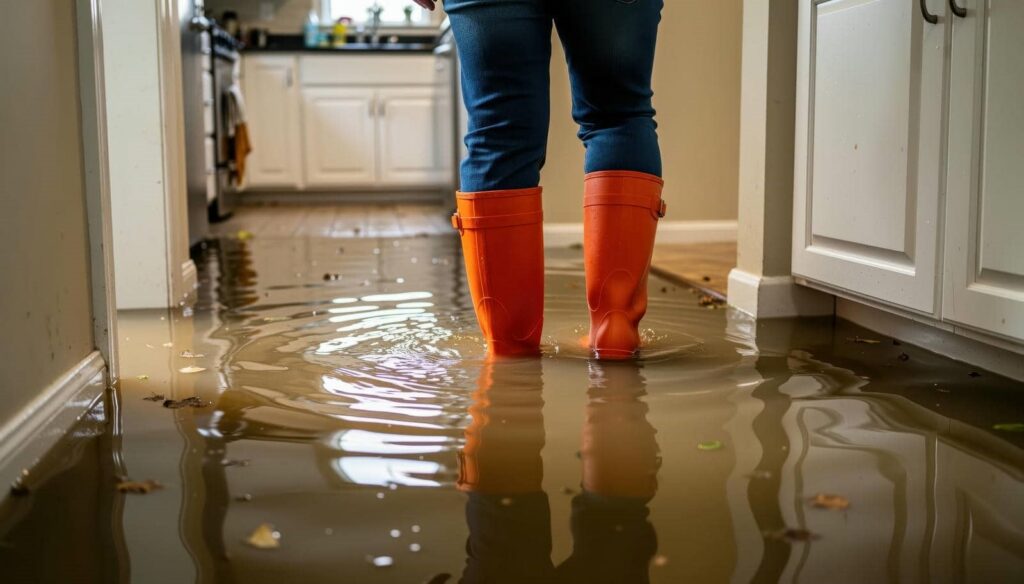
Many homeowners believe that standard property insurance sufficiently covers water damage, but this isn’t always the case. Emergency water removal insurance specifically addresses immediate needs following a water-related incident, which standard policies may overlook. Understanding the nuances of this coverage could be the difference between a manageable repair process and a financial disaster. How well do you know what your policy truly protects you from? Exploring these details might reveal some critical gaps in your coverage.
Key Takeaways
- Emergency water removal insurance covers costs for immediate water extraction, drying services, and necessary repairs to mitigate damage.
- It is essential for protecting property investments against unexpected water-related disasters, preventing significant financial losses.
- Common scenarios include burst pipes and flooding, with specific coverage limits and exclusions that vary by policy.
- Filing a claim requires thorough documentation, including photos of damage and estimates from professional services to support your case.
- Choosing the right policy involves comparing coverage limits, deductibles, and exclusions, and consulting with an insurance advisor for tailored advice.
What’s Emergency Water Removal Insurance All About?
When you face unexpected water damage, understanding emergency water removal insurance becomes crucial. This type of coverage specifically addresses the costs associated with immediate water extraction, drying, and repair.
It’s important to reflect on how this insurance can complement your overall water damage prevention strategy. By comparing insurance policies, you can identify key differences in coverage limits, deductibles, and exclusions.
Look for policies that offer emergency removal and proactive measures to mitigate future risks. This thorough analysis can help you make an informed decision, ensuring you’re protected when disaster strikes.
Ultimately, having the right coverage fosters a sense of security within your community, allowing you to focus on recovery rather than financial burdens.
Why You Need Emergency Water Removal Coverage
Emergency water removal coverage is essential for protecting your property investment from unforeseen disasters.
Without this protection, you risk incurring significant financial losses that could impact your overall financial stability.
Evaluating the potential risks associated with water damage can help you understand the necessity of having this insurance in place.
Protecting Your Property Investment
While unexpected water damage can strike at any moment, having emergency water removal coverage is essential for safeguarding your property investment.
This coverage helps mitigate the damage and supports ongoing property maintenance, ensuring that your space remains a safe and welcoming environment.
Without it, you risk incurring significant costs that could jeopardize your investment in both the short and long term.
Think about the potential for mold growth, structural issues, and depreciation.
By securing emergency water removal coverage, you’re prioritizing investment protection and enhancing your property’s value.
It’s about taking proactive steps to shield what you’ve worked hard for, fostering a sense of belonging in a home or business that reflects your commitment to quality and care.
Mitigating Financial Loss Risks
Securing emergency water removal coverage is essential because it directly addresses the potential financial losses that can arise from water damage incidents. Without this coverage, you might face costly repairs, lost belongings, and extensive downtime.
Effective financial planning involves understanding these risks and preparing for them. By investing in emergency water removal insurance, you’re protecting your property and ensuring peace of mind.
Conducting a thorough risk assessment helps you identify vulnerabilities in your home, allowing you to make informed decisions about coverage options. This proactive approach fosters a sense of belonging within your community, as you’re taking responsible steps to safeguard your investment and contribute to collective resilience against water damage events.
Key Water Damage Scenarios Covered by Insurance
When evaluating your insurance coverage, it’s vital to understand the specific water damage scenarios that are typically covered.
Burst pipe damage and flooding from natural disasters can lead to significant financial loss, so knowing how your policy addresses these situations is imperative.
You’ll want to review your coverage to ensure you’re protected against these common yet potentially devastating risks.
Burst Pipe Damage
Burst pipe damage is one of the most common and costly water damage scenarios that homeowners face, often leading to extensive repairs and significant financial burden.
When a pipe bursts, it can result in immediate flooding, damaging your walls, floors, and personal belongings. Understanding the insurance implications of such an event is essential.
Most homeowners’ insurance policies cover burst pipe damage, but specific terms and conditions apply. You’ll need to document the damage and notify your insurer promptly.
Additionally, be aware of potential exclusions, such as neglect or lack of maintenance. By staying informed and proactive, you can mitigate risks and ensure your coverage effectively supports you in the event of a burst pipe disaster.
Flooding From Natural Disasters
Natural disasters, such as floods caused by hurricanes or heavy rain, can lead to devastating water damage that substantially impacts your home and finances.
Understanding your insurance coverage is essential, as flood damage often requires specific policies. Standard homeowner’s insurance typically doesn’t cover flooding from natural disasters, leaving many unprepared for the financial fallout.
You’ll want to reflect on flood insurance, which specifically addresses the risks associated with these events. After a disaster, evaluating the extent of damage can feel overwhelming, but having the right coverage ensures you can recover faster.
Assess your risks and consult your insurance provider to tailor a plan that protects your home and gives you peace of mind in the face of potential calamities.
How to File an Insurance Claim for Water Removal
As you start the process of filing an insurance claim for water removal, it’s essential to gather all necessary documentation to support your case.
Begin by documenting the damage with clear photos and videos, ensuring you capture all affected areas. Next, list any items that were damaged or destroyed, along with their original purchase prices.
Review your policy to understand the specific documentation requirements, as each insurer may have different stipulations. This will streamline your claim process and minimize delays.
Additionally, consider obtaining estimates from professional water removal services, as these can substantiate your claim. Being thorough and organized strengthens your position and fosters a smoother experience with your insurance provider.
Choosing the Right Emergency Water Removal Insurance Policy
When evaluating your options for emergency water removal insurance policies, how can you ensure you’re making the best choice for your specific needs?
Start by conducting thorough policy comparisons to identify coverage limits that align with your situation. Look for policies that cover immediate water removal and address potential long-term damage, such as mold growth.
It’s crucial to assess the deductible amounts, as lower premiums often come with higher deductibles. Make sure to read the fine print—some policies may exclude certain types of water damage.
Finally, consider consulting with an insurance advisor who understands your local regulations and risks. This can help you feel more confident in your decision and secure the protection your home deserves.
Avoid These Common Water Damage Claims Mistakes
While managing the complexities of water damage claims, many homeowners inadvertently make mistakes that can jeopardize their coverage. One common pitfall is neglecting water damage prevention measures, which can lead to denied claims when insurers point to insurance policy exclusions.
Always document the damage thoroughly and avoid making repairs before an adjuster assesses the situation. Failing to report claims promptly can also result in complications, as insurers may view delays as a sign of negligence.
Additionally, misunderstanding your policy’s specific exclusions could leave you unprotected. By being proactive and informed, you can navigate these challenges effectively, ensuring you’re not caught off guard when disaster strikes.
Frequently Asked Questions
Does Emergency Water Removal Insurance Cover Flooding From Natural Disasters?
Emergency water removal insurance typically doesn’t cover flooding from natural disasters unless you have specific flood insurance. You should assess your coverage options to ensure you’re protected against potential risks associated with flood events.
Are There Waiting Periods Before Coverage Takes Effect?
Yes, most policies include waiting period specifics, often ranging from 24 to 72 hours before policy activation timelines kick in. It’s essential to review your specific terms to avoid unexpected gaps in coverage during emergencies.
Can I Get Coverage for Pre-Existing Water Damage?
Can you really expect coverage for pre-existing water damage? Typically, insurance exclusions apply, meaning you won’t get help for those conditions. It’s essential to understand your policy’s specifics before facing potential losses.
How Do Deductibles Affect My Claim Payout?
Deductibles directly impact your claim payout. During claim processes, insurers calculate how much you pay out-of-pocket before coverage kicks in. Higher deductibles usually lower premiums but increase your financial risk during emergencies.
Is Temporary Housing Covered During Water Removal?
You might find temporary housing covered, but it depends on your insurance policy limits. Review your policy details carefully; knowing these specifics can make all the difference when unexpected water damage disrupts your home life.
Wrap-Up
Understanding emergency water removal insurance is essential for protecting your property from unexpected water damage. With the right coverage, you can mitigate financial risks and ensure swift recovery from disasters. As you navigate your options, ask yourself: Are you truly prepared for the unexpected? By evaluating policies carefully and avoiding common pitfalls, you can safeguard your investment and provide peace of mind when it matters most. Don’t leave your property’s future to chance.