 Skip to content
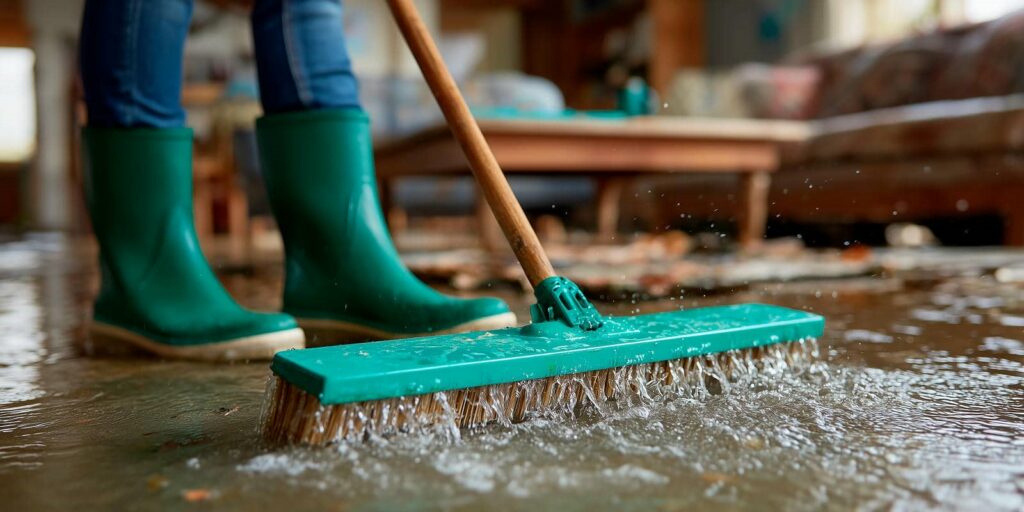
It’s interesting how many homeowners overlook water removal insurance until it’s too late. Water damage can strike unexpectedly, leading to significant financial burdens that few are prepared for. Without proper coverage, the costs of repairs and restoration can skyrocket, leaving you vulnerable. Understanding the importance of this insurance isn’t just about protecting your property; it’s about securing your financial future. So, what exactly should you know about water removal insurance?
Key Takeaways
- Water removal insurance protects homeowners from significant financial burdens associated with repairing extensive water damage.
- It helps cover costs for repairs, damaged belongings, and mold remediation, ensuring financial stability.
- Coverage includes various scenarios like flood damage, pipe bursts, and sewage backups, providing comprehensive protection.
- Lack of insurance can decrease property value and lead to unexpected expenses, making coverage essential for safeguarding investments.
- Understanding policy details and exclusions ensures adequate protection and peace of mind against water-related risks.
What You Need to Know About Water Damage Risks
While you might think your home is safe from water damage, various risks can arise unexpectedly, making awareness essential.
Performing a thorough risk assessment helps you identify potential vulnerabilities in your property, such as old plumbing, roof leaks, or basement humidity. These issues can lead to significant water damage if not addressed promptly.
It’s vital to understand that even minor leaks can escalate into major problems, causing structural damage and mold growth.
Regular maintenance and inspections can mitigate these risks, ensuring your home remains a safe haven.
The Financial Impact of Not Having Water Removal Insurance
If you overlook the necessity of water removal insurance, you could face severe financial repercussions that extend far beyond the immediate costs of water damage.
Without this coverage, you’re left to shoulder the entire financial burden yourself. Repairing water damage can easily reach thousands of dollars, and the unexpected expenses don’t stop there.
You might need to replace damaged belongings, pay for mold remediation, or even deal with decreased property value. These costs can accumulate quickly, straining your budget and potentially leading to debt.
By investing in water removal insurance, you protect yourself against these unpredictable financial challenges, ensuring peace of mind for your home and finances.
Don’t let inadequate coverage leave you vulnerable to financial setbacks.
Understanding How Water Removal Insurance Works
To effectively manage water damage risks, it’s essential to understand the different types of coverage available under water removal insurance.
You’ll also need to be aware of common exclusions that could affect your policy’s effectiveness.
Finally, knowing the claim-filing process can ensure you receive timely assistance when you need it most.
Coverage Types Explained
Understanding the various coverage types within water removal insurance is vital for homeowners facing potential water damage.
Typically, you’ll find two main types: actual cash value and replacement cost coverage. Actual cash value covers damages after depreciation, while replacement cost covers the full repair or replacement amount, offering greater coverage benefits.
Additionally, some policies may include specific endorsements for mold remediation or sewage backup, which can be significant depending on your home’s risks.
It’s important to review the coverage requirements, as having adequate limits ensures you’re protected during a crisis.
Common Exclusions Noted
While water removal insurance offers essential protection, it’s imperative to be aware of common exclusions that can leave homeowners vulnerable.
Many policies won’t cover water damage resulting from negligence, such as failing to maintain plumbing systems. Additionally, damage from flooding often requires separate coverage, as standard policies usually exclude it.
Wear and tear or gradual leaks may also be deemed as maintenance issues rather than sudden events, leading to insurance exclusions. Understanding these limitations is essential for your financial safety.
Before purchasing a policy, always read the fine print and ask questions. By doing so, you can better protect yourself against unexpected water damage and ensure that your coverage aligns with your needs.
Filing A Claim Process
Steering through the claims process for water removal insurance requires careful attention to detail and an understanding of your policy’s specifics.
To effectively file a claim, start by gathering all necessary claim documentation, which typically includes photos of the damage, estimates for repairs, and any relevant receipts.
Make certain you document the timeline of events, noting when the incident occurred and when you reported it. This information not only supports your claim but helps establish a clear narrative for the insurance adjuster.
Keep in touch with your insurer throughout the process, as timely communication can expedite your claim timeline.
Understanding these steps can foster a sense of security, knowing you’re steering the process effectively and efficiently.
Common Coverage Scenarios for Water Removal Insurance
Water removal insurance can cover several scenarios that property owners might encounter, ensuring financial protection when disasters strike.
Understanding these common coverage scenarios helps you make informed decisions:
Flood damage: Coverage typically includes damage from natural floods, protecting your property and belongings.
Pipe bursts: If a pipe breaks, this insurance can help with cleanup and repairs.
Sewage backups: It often covers the costs of removing wastewater and repairing affected areas.
Mold remediation: Many policies include coverage for mold removal resulting from water damage, safeguarding your health and property.
Choosing the Right Water Removal Insurance
When selecting the right water removal insurance, it’s essential to understand the various coverage types available.
You’ll want to evaluate policy limits carefully to ensure adequate protection for potential risks.
Coverage Types Explained
Choosing the right water removal insurance involves understanding the different types of coverage available to you.
It’s important to evaluate various coverage options and make informed policy comparisons to ensure you’re adequately protected.
Here are some key types of coverage to take into account:
Water Damage Coverage: Protects against damage from burst pipes and leaks.
Flood Insurance: Covers damage from natural flooding events not included in standard policies.
Mold Remediation: Addresses mold removal caused by water damage.
Additional Living Expenses: Provides funds for temporary housing if your home becomes uninhabitable due to water damage.
Policy Limit Considerations
Selecting the appropriate policy limits for your water removal insurance is vital to ensuring thorough protection for your property.
You’ll want to assess the potential risks and costs associated with water damage in your area. Setting too low a limit can lead to significant coverage gaps, leaving you vulnerable to out-of-pocket expenses during a crisis.
Conversely, excessively high limits may result in unnecessary premium costs. It’s essential to evaluate your property’s value, historical data on water damage, and the specific coverage options available.
Consulting with an insurance professional can provide tailored insights, ensuring you choose policy limits that adequately safeguard your investment while fostering a sense of community and security in your living environment.
How to Effectively File a Water Damage Insurance Claim
Filing a water damage insurance claim can feel overwhelming, especially if you’re unprepared for the process.
To streamline your experience, consider these claim documentation tips to ensure you’re ready:
Document the damage: Take clear photos of affected areas before any repairs.
Gather receipts: Keep records of any expenses related to water damage, including repairs and temporary housing.
Review your policy: Understand your coverage limits and exclusions through effective policy comparison strategies.
Communicate promptly: Notify your insurance company as soon as possible to initiate the claims process.
Frequently Asked Questions
Does Water Removal Insurance Cover Mold Remediation Expenses?
Water removal insurance typically covers mold remediation expenses, but it’s essential to understand your policy’s coverage limits. Implementing mold prevention strategies can enhance your protection while minimizing potential costs associated with mold-related damages.
How Does Water Removal Insurance Differ From Flood Insurance?
Water removal insurance covers specific damage from leaks or burst pipes, while flood insurance addresses broader risks from natural flooding. Understanding these water removal basics helps you choose the appropriate insurance coverage for your needs.
Can I Purchase Water Removal Insurance After Damage Occurs?
You can’t purchase water removal insurance after damage occurs; it’s a preventive measure. With many Americans experiencing water damage daily, timely insurance claims are essential for recovery and protecting your home and belongings from future incidents.
Is Water Removal Insurance Available for Renters?
Yes, water removal insurance can be included under renters’ insurance. You’ll want to explore various coverage options to ensure your policy adequately protects against water damage, enhancing your security and peace of mind in your rental space.
Are There Any Exclusions in Water Removal Insurance Policies?
Water removal insurance policies often have water damage exclusions, which can surprise you. These limits can leave you vulnerable if you’re not careful, so always review your policy details to understand your coverage!
Final Thoughts
So, if you’re enthusiastic to embrace the thrilling adventure of mold growth and soggy carpets, then by all means, skip water removal insurance. But if you’d rather avoid a financial plunge into the deep end, consider securing that coverage. After all, it’s much easier to splash around in your pool of peace of mind than to swim through the murky waters of unexpected expenses. Protect your home, and keep your wallet afloat—it’s a no-brainer!