 Skip to content
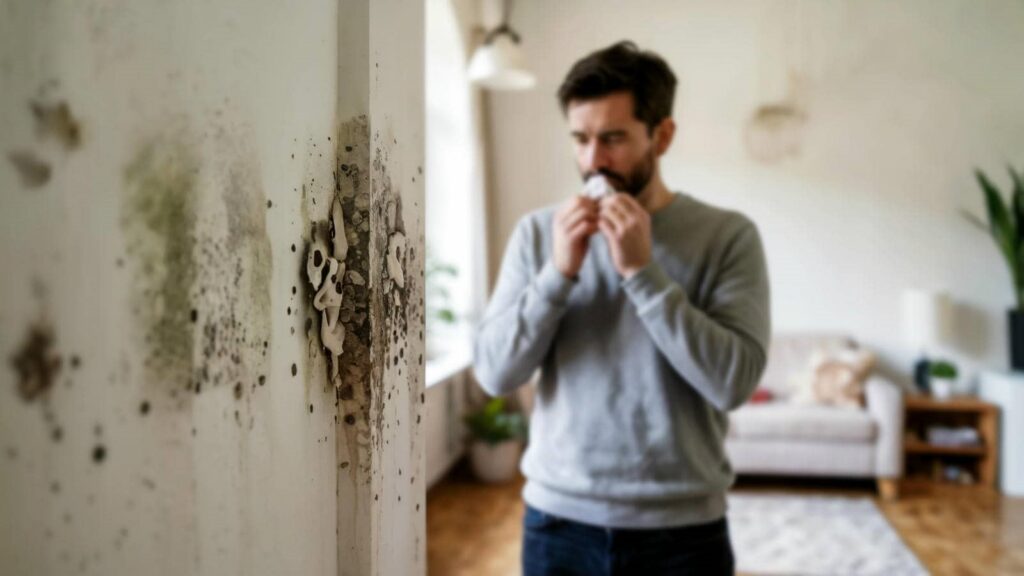
After a restoration, preventing mold growth is essential for your home’s integrity and your health. You need to identify and eliminate moisture sources, maintain ideal indoor humidity, and guarantee proper ventilation. Regular inspections can help you catch mold before it spreads. Understanding these strategies will empower you to keep your living space safe and healthy. So, what steps should you take first to safeguard your home?
Key Takeaways
- Maintain indoor humidity levels between 30% and 50% to prevent mold growth in restored areas.
- Ensure proper ventilation in all moisture-prone areas, including bathrooms and kitchens.
- Regularly inspect hidden spaces for signs of moisture and potential leaks post-restoration.
- Use dehumidifiers in damp areas to control humidity effectively.
- Quickly address any water damage or unusual odors to prevent mold from reoccurring.
Why Mold Prevention Is Vital Post-Restoration
Since mold can begin to grow within 24 to 48 hours after water damage, implementing effective mold prevention strategies post-restoration is crucial.
Mold growth not only damages your property but also poses significant health risks, including respiratory issues, allergies, and other serious conditions.
To safeguard your home and loved ones, guarantee proper ventilation in all areas, particularly in bathrooms and kitchens.
Use dehumidifiers to maintain humidity levels below 60%.
Regularly inspect hidden spaces like basements and attics for moisture accumulation, and promptly address any leaks.
By taking these proactive steps, you’ll create a healthier living environment, reducing the likelihood of mold resurgence.
Identify and Address Moisture Sources in Your Home
To prevent mold growth, you need to identify and address moisture sources in your home.
Regularly inspect your plumbing for leaks, control indoor humidity levels with dehumidifiers, and guarantee windows and doors are properly sealed.
Taking these steps will considerably reduce the risk of mold development.
Inspect Plumbing Regularly
Regularly inspecting your plumbing is essential for preventing mold growth, as even small leaks can create an environment conducive to moisture accumulation.
Conduct routine plumbing inspections to identify potential issues, focusing on areas like under sinks, around toilets, and behind appliances.
Use leak detection methods, such as checking water meter readings or employing moisture meters, to spot hidden leaks early.
Don’t overlook the importance of inspecting joints and seals, which are common areas for leaks to develop.
If you notice any signs of water damage or unusual moisture levels, address them immediately.
Control Indoor Humidity Levels
Controlling indoor humidity levels is essential for preventing mold growth, as excess moisture can arise from various sources in your home.
Start by identifying moisture sources like leaky pipes, damp basements, or excessive steam from cooking and showers.
Utilize humidity monitors to keep track of indoor moisture levels; aim for a range of 30-50%.
If levels exceed this, consider dehumidifier usage to effectively reduce humidity.
Place dehumidifiers in areas prone to moisture, such as basements or bathrooms, to maintain an ideal environment.
Regularly check and empty the dehumidifier’s reservoir to guarantee it operates efficiently.
Seal Windows and Doors
While you may not realize it, gaps and cracks around windows and doors can greatly contribute to moisture intrusion, leading to mold growth.
To prevent this, focus on effective window sealing and door weatherstripping. Start by inspecting all windows and doors for visible gaps. Use high-quality caulking for window sealing, filling any cracks you find.
For doors, install weatherstripping to create a tight seal when closed. Verify that both solutions are applied evenly and thoroughly for maximum effectiveness.
Regularly check these areas for wear and tear, especially after seasonal changes. By taking these steps, you’ll not only enhance your home’s energy efficiency but also considerably reduce the risk of mold, creating a healthier environment for you and your family.
How to Keep Indoor Humidity Levels Right
How can you effectively manage indoor humidity levels to prevent mold growth?
Start by utilizing dehumidifiers, especially in damp areas like basements or bathrooms. Set your dehumidifier to maintain humidity levels between 30% and 50%.
Regular humidity monitoring with a hygrometer is crucial—this helps you stay informed about moisture levels and make adjustments as needed. If humidity readings exceed 50%, increase dehumidifier usage or consider additional measures like improving insulation.
Also, guarantee that your home’s temperature is consistent, as fluctuating temperatures can lead to condensation.
How to Ensure Proper Ventilation in Restored Areas
To guarantee proper ventilation in restored areas, utilize exhaust fans to remove excess moisture and improve air circulation.
Regularly opening windows can also help promote fresh air flow and reduce humidity levels.
Implementing these strategies will greatly decrease the likelihood of mold growth.
Utilize Exhaust Fans
Effective ventilation is vital in preventing mold growth in restored areas, and utilizing exhaust fans is one of the best ways to accomplish this.
Proper exhaust fan placement is essential; install fans in moisture-prone areas like bathrooms and kitchens to effectively remove excess humidity. Make sure your bathroom ventilation system is operational, running it during and after showers to eliminate steam.
Additionally, consider using fans in laundry rooms or areas prone to spills, as this will help maintain a dry environment. Regularly check that your exhaust fans are functioning efficiently, and clean them to prevent dust buildup.
Open Windows Regularly
Opening windows regularly is a simple yet powerful way to enhance ventilation in restored areas. By allowing fresh air to circulate, you promote natural ventilation, which helps to reduce humidity levels. This is essential in preventing mold growth.
Aim to open windows during dry, sunny days when outside air is less likely to carry moisture.
You can also create cross-ventilation by opening windows on opposite sides of the room, encouraging a steady flow of fresh air. If you’re in a high-humidity area, consider using dehumidifiers alongside open windows to maintain ideal indoor conditions.
Regular HVAC System Maintenance for Mold Prevention
While you might focus on visible signs of mold after a restoration, neglecting your HVAC system can lead to hidden growth and increased humidity levels.
Regular maintenance of your HVAC system is essential for preventing mold. Start by changing your HVAC filters every 1-3 months; dirty filters can trap moisture and promote mold growth.
Make certain your system is properly designed for air circulation to reduce stagnant airflow, which can create a breeding ground for mold spores. Inspect ductwork for leaks or debris, as these can also harbor moisture.
Additionally, consider scheduling professional cleanings for your system annually. By prioritizing HVAC maintenance, you foster a healthier indoor environment, enhancing air quality and reducing the risk of mold re-emergence.
Choosing Mold-Resistant Products for Repairs
When selecting materials for repairs, choosing mold-resistant products is essential to secure long-term protection against fungal growth.
Opt for mold-resistant materials like drywall, paint, and insulation specifically designed to inhibit mold development. These products often contain additives that prevent moisture retention, a key factor in mold proliferation.
Additionally, consider eco-friendly options, which not only protect your space but also contribute to a healthier environment. Look for certifications such as GreenGuard or Energy Star to ascertain the materials meet strict safety standards.
Keep an Eye Out for Mold and Act Fast!
Even with mold-resistant products in place, vigilance is key to preventing mold growth.
Regularly inspect your home for signs of moisture or mold, especially in areas prone to dampness like bathrooms and basements.
Utilize mold detection tools, such as moisture meters or mold test kits, to identify hidden problems early.
If you spot any mold, act fast! A quick response can prevent more extensive damage and health risks.
Clean minor mold spots with appropriate solutions or contact professionals for larger infestations.
Educate your family about the importance of reporting unusual smells or sightings.
Frequently Asked Questions
How Long Does It Take for Mold to Grow After Restoration?
Mold can start growing within 24 to 48 hours after restoration, depending on moisture levels and environmental conditions. Understanding this mold growth timeline helps you take immediate action to prevent future infestations effectively.
Can I Use Regular Paint After Mold Remediation?
Sure, you could use regular paint, but why invite mold back to the party? Opt for mold resistant paint during your paint application instead. It’s a smart choice that keeps your space safe and stylish.
What Are the Signs of Hidden Mold in My Home?
You’ll notice hidden mold through musty odors, visible spots in damp areas, or unusual allergy-like mold symptoms such as sneezing, coughing, or skin irritation. Regular inspections help you catch these signs early. Stay vigilant!
Are There Specific Cleaning Products That Prevent Mold Growth?
Think of mold as an unwelcome guest. To keep it at bay, use mold resistant products and effective cleaning techniques, like vinegar or hydrogen peroxide, to guarantee your home remains a safe, inviting sanctuary.
How Often Should I Check for Mold After Restoration?
You should perform mold inspections every few weeks for the first three months post-restoration, then switch to monthly monitoring. This mold inspection frequency helps guarantee early detection and prevents any potential growth in your space.
Recap
Remember that “an ounce of prevention is worth a pound of cure.” By diligently monitoring humidity levels, ensuring proper ventilation, and conducting regular inspections, you can effectively safeguard your home against mold growth. Address moisture sources promptly and choose mold-resistant materials during repairs. Staying proactive and educated about mold issues will empower you to maintain a healthy living environment long after restoration. Don’t wait for problems to arise act now to protect your space.