 Skip to content

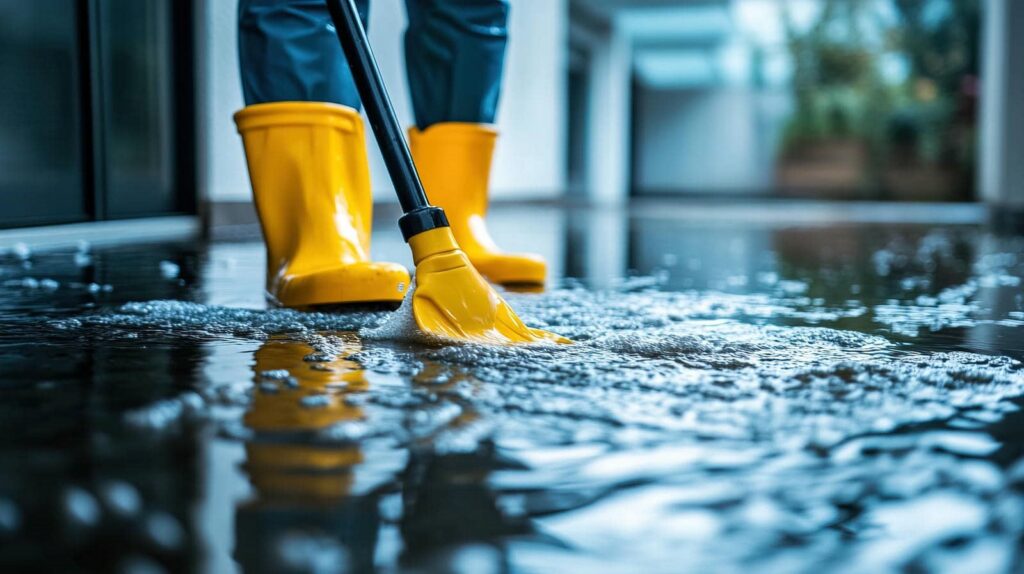
When water damage strikes your basement, quick and effective removal is essential to minimize losses. You’ll want to assess the situation carefully and determine the best strategies to tackle the problem. From utilizing pumps to guarantee thorough extraction to preventing mold growth afterward, each step plays an important role. Understanding when to take action yourself and when to call in professionals can make all the difference. Let’s explore these strategies in detail.
Key Takeaways
- Use a submersible pump for deep water removal and a utility pump for smaller amounts in your basement.
- Begin water removal with bulk water using a pump, then employ a wet vacuum for residual moisture.
- Ensure all electrical sources are turned off before starting water removal to prevent electrical hazards.
- Open windows and use fans to enhance ventilation and accelerate the drying process post-water removal.
- Monitor the area for mold growth and use dehumidifiers to control moisture levels after initial cleanup.
Immediate Risks of Water Damage: What You Need to Know
When water infiltrates your basement, the immediate risks can escalate quickly, making swift action essential.
First, consider flood safety; standing water can lead to structural damage and mold growth, compromising your home’s integrity. Even a small leak can become a significant issue if not addressed promptly.
Next, assess your property insurance—ensure it covers water damage. Many policies exclude certain types of flooding, so knowing your coverage can save you from financial strain.
Additionally, electrical hazards can arise from water exposure, increasing the potential for fire risks.
By acting quickly and knowing your insurance options, you can mitigate these immediate risks, protect your home, and foster a sense of security within your community.
Your proactive measures could be crucial for your peace of mind.
How to Evaluate Flood Damage Severity
How can you effectively assess the severity of flood damage in your basement? Start with a thorough damage assessment, checking for water levels and affected materials.
Look for signs of structural damage, such as cracks in walls or ceilings, which indicate deeper issues. Inspect your belongings furniture, electronics, and stored items—and determine what’s salvageable.
Document everything, as this will be essential for your flood insurance claim. Photograph the damage and create a list of affected items, including their estimated values.
Pay attention to mold growth, which can worsen over time if not addressed. Understanding the extent of the damage helps you prioritize immediate actions and communicate effectively with restoration professionals and your insurance provider.
Using Pumps and Wet Vacuums for Effective Water Removal
After evaluating the flood damage severity in your basement, the next step is to prioritize water removal using pumps and wet vacuums.
Start by selecting the right pump types: submersible pumps are ideal for deep water, while utility pumps handle smaller amounts efficiently.
Once you’ve removed the bulk of the water, employ wet vacuum techniques to clear residual moisture from floors and walls.
Use a portable wet vacuum for tight spaces, ensuring you follow the manufacturer’s guidelines for best results.
Don’t forget to check filters regularly to maintain suction efficiency.
How to Prevent Mold Growth After Water Extraction
To effectively prevent mold growth after water extraction, it’s crucial to act quickly and decisively.
Start by thoroughly drying the affected area within 24 to 48 hours, as mold thrives in damp conditions. Use fans and dehumidifiers to enhance moisture control. Confirm proper ventilation by opening windows or using exhaust fans to circulate air.
Inspect and remove any porous materials like carpets or drywall that have absorbed water, as these can harbor mold. Apply a mold prevention solution to surfaces that may be prone to growth.
Regularly check humidity levels, aiming to keep them below 60%. By taking these proactive steps, you’ll create an environment less conducive to mold development, safeguarding your home and peace of mind.
When to Call Professionals for Emergency Water Removal?
When should you consider calling in professionals for emergency water removal? If you’re facing significant water damage, a professional assessment can help you determine the extent of the problem.
Here are key situations when it’s time to call:
- Water levels exceed a few inches.
- You notice structural damage or warping.
- There’s an ongoing leak or flooding.
- Mold growth is apparent or suspected.
- You lack the necessary equipment for complete drying.
Professionals have the expertise and tools to handle your situation effectively and safely.
They’ll assess the damage, remove water, and prevent further issues, giving you peace of mind.
Trusting experts guarantees the job gets done right, so you can get back to enjoying your space.
Frequently Asked Questions
What Types of Water Damage Insurance Coverage Should I Consider?
You should consider flood insurance to cover unexpected water damage. Review your policy limits carefully, ensuring they adequately protect your home and belongings. It’s essential for securing peace of mind during potential flooding events.
How Can I Tell if My Basement Has Hidden Water Damage?
To spot hidden water damage, check for hidden signs like mold, discoloration, or warped walls. Use moisture detection tools to identify damp areas. Regular inspections can help guarantee your basement stays dry and safe.
Are There Any DIY Solutions for Minor Water Removal?
You can use DIY pumps and wet vacs for minor water removal. Set up the pump in the lowest area, and vacuum up remaining water with the wet vac to guarantee your basement stays dry and safe.
How Long Does It Typically Take for a Basement to Dry Completely?
Like watching paint dry, a basement typically takes 3 to 5 days to dry completely, depending on drying techniques used. Factors like humidity and ventilation can greatly affect overall drying time, so stay proactive.
What Should I Do if My Water Damage Is Caused by Sewage?
If your water damage’s from sewage, prioritize safety. Wear protective gear, seal off affected areas, and call professionals for sewage cleanup. This minimizes health risks, ensuring a thorough and safe resolution to the contamination.
To Sum Up
In the face of water damage, remember that “an ounce of prevention is worth a pound of cure.” By swiftly implementing effective water removal strategies, you can minimize damage and reduce the risk of mold growth. Always prioritize bulk water removal, maintain proper ventilation, and use the right tools like pumps and wet vacuums. If the situation escalates, don’t hesitate to call professionals. Taking prompt action is vital to protecting your basement and preserving your home’s integrity.