 Skip to content

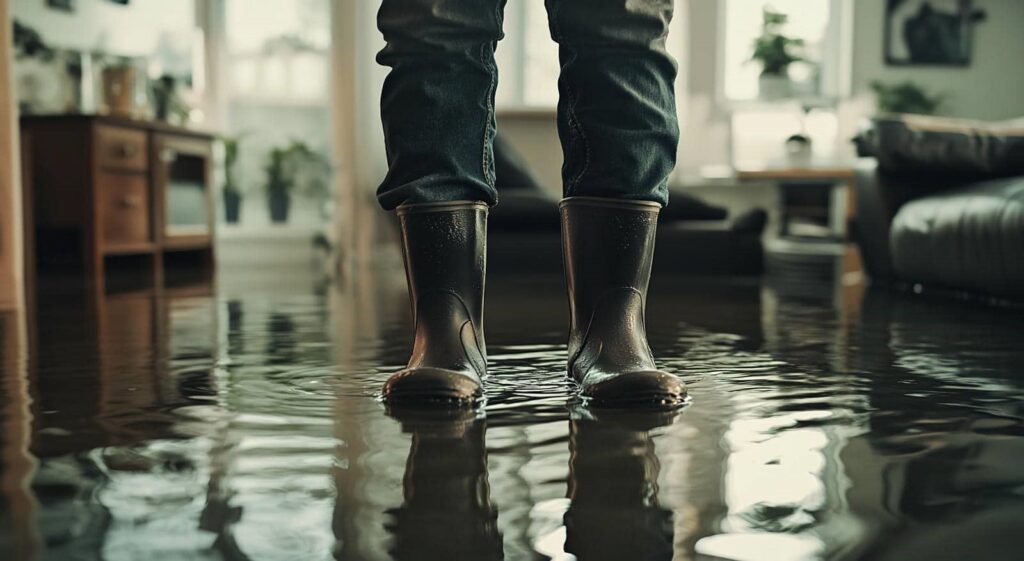
Steering through the water damage claims process can feel overwhelming, especially when you’re dealing with the aftermath of such an incident. Understanding the steps to take can greatly impact your claim’s success. From documenting damage to communicating effectively with your insurer, each detail matters. Let’s explore essential strategies that can make this process more manageable and efficient for you.
Key Takeaways
- Document all damage with clear photos and detailed notes to support your claim effectively.
- Notify your insurance company promptly, providing thorough details about the water damage incident.
- Keep records of all communications with your insurer to clarify any misunderstandings during the claims process.
- Understand your insurance policy’s exclusions to avoid surprises, especially regarding flood and gradual damage.
- Follow up regularly with your insurance adjuster to ensure your claim is progressing and address any concerns.
Immediate Steps After Water Damage
When water damage occurs, acting quickly can greatly reduce the extent of the loss. First, verify your safety by turning off electricity and avoiding hazardous areas.
Next, contact emergency services to assess the situation and initiate water extraction. These professionals have the equipment and expertise to remove water efficiently, minimizing further damage.
Document the extent of the damage with photos, but prioritize immediate response actions.
Once the water is extracted, begin drying affected areas with fans and dehumidifiers. This proactive approach helps in preventing mold growth and supports your future insurance claim.
Documenting Water Damage Effectively
Although it’s easy to overlook during a crisis, documenting water damage effectively is crucial for a successful insurance claim. Start by taking clear, detailed photos of all affected areas and items. Capture wide shots to show the overall damage, as well as close-ups of specific issues.
Make notes describing each item and its condition, which will help during your damage assessment. Keep copies of any communications with contractors or restoration companies. Review your insurance policy to understand what’s covered and any specific documentation requirements.
Organize all your evidence chronologically, as this will streamline the claims process. By being thorough and methodical, you’ll increase your chances of a favorable outcome and ensure your needs are met.
How to Notify Your Insurance Company?
Notifying your insurance company promptly is essential to initiate the claims process for water damage.
Start by gathering your insurance contact information, which can often be found on your policy documents or the company’s website.
Choose from various claim notification methods, such as calling the claims hotline, submitting an online form, or using a mobile app, depending on what your insurer offers.
Clearly explain the nature of the water damage, when it occurred, and any immediate actions you took to mitigate further damage.
Providing thorough details helps your insurer assess your claim efficiently.
Keep Records of All Communications With Insurers
Keeping detailed records of all communications with your insurer is essential for a smooth claims process. Every phone call, email, and letter should be documented, noting the date, time, and the names of representatives you speak with.
This insurance communication serves as crucial claim documentation, ensuring you have evidence of what was discussed and agreed upon. If discrepancies arise later, your records can clarify misunderstandings and support your claim.
Consider creating a dedicated folder—digital or physical—where you can keep all relevant correspondence organized. This proactive approach builds a strong case for your claim and fosters a sense of control in an otherwise stressful situation.
You’re not alone in this; staying organized empowers you throughout the process.
Stop More Damage Right Away
As soon as you identify water damage, taking immediate action can prevent further issues and mitigate your losses. Start by shutting off the water source if it’s safe to do so. Implement preventive measures, like using towels or buckets to catch leaks, which can help minimize the spread of water.
If the situation is severe, don’t hesitate to contact emergency services for professional assistance. They can quickly assess the extent of the damage and initiate the necessary repairs.
Additionally, make sure that you’re documenting your efforts to stop further damage, as this information will be crucial for your insurance claim. Acting swiftly protects your property and fosters a sense of community support during challenging times.
Collect Evidence to Support Your Claim
To strengthen your water damage claim, it’s essential to document all visible damage thoroughly.
Make sure to capture clear photos and videos of the affected areas, as these will provide concrete evidence of the extent of the damage.
Additionally, keep all repair receipts, as they can support your claim and demonstrate the costs incurred.
Document Visible Damage
While evaluating water damage, it’s essential that you meticulously document visible harm to bolster your claim.
Start with a thorough visible damage assessment, noting areas affected by water intrusion. Use damage documentation techniques such as listing damaged items and their approximate values, including furniture, appliances, and structural elements.
Make detailed notes on the extent of the damage, including measurements and descriptions of affected areas. This information will serve as vital evidence when you file your claim.
Be sure to keep a record of any repair estimates or assessments from professionals, as these will further support your case. A detailed and organized damage documentation process can greatly enhance the likelihood of a successful claim resolution.
Capture Photos and Videos
Capturing photos and videos is essential for substantiating your water damage claim, as visual evidence can greatly enhance its credibility.
To effectively document the damage, consider the following tips:
Prioritize photo organization: Label and date your images to maintain a clear timeline of the damage.
Ensure video quality: Use a steady hand and good lighting to capture detailed footage of affected areas.
Include context: Frame your shots to show the extent of the damage, capturing both close-ups and wider angles.
Keep Repair Receipts
After documenting the damage with photos and videos, it’s important to keep all repair receipts as part of your water damage claim.
These receipts serve as vital evidence of the repair costs you’ve incurred. Make sure to request itemized invoices from contractors, detailing every service and material used.
This helps you track expenses and strengthens your claim by providing clear proof of the work done. When you submit your insurance claim, these documents can greatly impact the outcome, ensuring you receive fair compensation.
Common Exclusions in Water Damage Insurance Policies
When reviewing your water damage insurance policy, it’s vital to understand the common exclusions that could impact your claim.
Flood damage is often not covered, leaving you vulnerable if you live in a high-risk area.
Additionally, insurance may exclude damages resulting from maintenance negligence, so staying on top of regular upkeep is essential.
Flood Damage Limitations
While reviewing your water damage insurance policy, it’s crucial to comprehend that not all flood-related damages are covered.
Flood insurance often comes with specific limitations and coverage limits that can leave you unprotected in certain situations. Here are common exclusions to take into account:
Gradual damage: Insurance typically doesn’t cover damage that occurs over time, such as leaks from old pipes.
Negligence: If you fail to maintain your property, your claim may be denied.
Sewer backup: Flood insurance usually excludes damages from sewer backups, requiring separate coverage.
Understanding these limitations helps you ensure adequate coverage and avoid surprises when disaster strikes.
Always read your policy and consult your agent for clarification.
Maintenance Negligence Exclusions
Understanding maintenance negligence exclusions in water damage insurance policies is vital for protecting your investment. Insurers often deny claims if they determine that you’ve neglected your maintenance responsibilities.
For instance, if a leaky pipe damages your property, and it’s found that you failed to address previous signs of wear, you might face negligence consequences. It’s important to regularly inspect your property and promptly address any issues to avoid these exclusions.
Documenting repairs and maintenance can also strengthen your claim. Familiarizing yourself with your policy’s specifics will help you navigate these potential pitfalls.
Understand the Claims Process Timeline
Managing the claims process timeline can be essential for ensuring a smooth recovery after water damage. Understanding processes related to your claims timeline helps you stay organized and prepared.
Here are key aspects to evaluate:
Document damage promptly: Take photos and notes immediately after the incident to support your claim.
File your claim quickly: Most insurers require you to report damage within a specific timeframe; be aware of this deadline.
Follow up regularly: Keep open communication with your insurance adjuster to track the status of your claim.
Work With Professionals for Accurate Estimates
To ensure accurate estimates for your water damage claim, it’s essential to hire certified restoration experts.
These professionals can assess the extent of the damage and provide detailed reports that support your claim.
Having precise documentation will strengthen your case and facilitate a smoother claims process.
Hire Certified Restoration Experts
When dealing with water damage, hiring certified restoration experts can greatly impact the outcome of your claim. These professionals possess restoration certifications that validate their skills and knowledge, ensuring you receive accurate evaluations of the damage. Their expertise aids in proper assessment and strengthens your claim.
Consider the following benefits of working with certified experts:
Thorough Assessments: They provide detailed evaluations, identifying hidden damage that might go unnoticed.
Insurance Knowledge: Experts understand insurance policies and can navigate the claims process effectively.
Restoration Plans: They create a complete restoration plan, showing insurers that you’re proactive in addressing the damage.
Obtain Detailed Damage Reports
Accurate damage reports are vital for a successful water damage claim. You should work with professionals who can provide detailed assessments of the damage. These experts will help you gather extensive damage documentation, ensuring every affected area is noted. This level of detail strengthens your claim and gives you peace of mind, knowing that you’re fully prepared.
When professionals evaluate your property, they’ll pinpoint hidden issues that may not be immediately visible, which can be essential for your claim.
Furthermore, their experience allows them to estimate repair costs accurately, reducing the likelihood of disputes with your insurance company. By obtaining thorough reports, you create a solid foundation for your claim and enhance your chances of receiving the compensation you deserve.
Regularly Follow Up on Your Claim Status
Regularly checking in on your claim status is essential to ensuring a smooth claims process. By implementing effective claim follow ups, you can stay informed and maintain a sense of control over your situation.
Here are some communication strategies to reflect upon:
Set a Schedule: Regularly check in, whether weekly or bi-weekly, to keep your claim fresh in adjusters’ minds.
Document Conversations: Take notes during calls or emails to track what’s discussed and any promised actions.
Be Proactive: Don’t hesitate to ask questions or request updates; it shows your commitment and can expedite the process.
Frequently Asked Questions
What Types of Water Damage Are Typically Covered by Insurance?
Insurance typically covers sudden leaks and damage from plumbing failures, but flood damage often requires separate coverage. Understanding your policy’s specifics ensures you’re prepared for unexpected events affecting your home and finances.
How Can I Expedite the Claims Process?
You can expedite the claims process by organizing your claims documentation, submitting it promptly, and maintaining clear communication with your insurance adjuster. Keeping detailed records helps ensure a smoother, faster resolution to your claim.
Will My Policy Cover Mold Damage After Water Exposure?
Your policy might not cover mold damage after water exposure, especially if it falls under insurance policy exclusions. Implementing mold prevention tips can help mitigate risks, so be proactive in maintaining your home’s condition.
Can I Choose My Own Contractor for Repairs?
Yes, you can choose your own contractor for repairs. Just make sure they provide repair estimates to your insurance company. After all, it’s your home, and you deserve to feel confident in your contractor selection.
What Happens if My Claim Is Denied?
If your claim’s denied, review the denial letter for claim reasons. You can initiate the appeal process by gathering supporting documents and presenting your case clearly, demonstrating why your claim deserves reconsideration.
Recap
As you navigate the complexities of filing your water damage claim, remember that every detail counts. Will your meticulous documentation and timely communication pay off? Will your insurer recognize the urgency of your situation? By staying organized and proactive, you’ll enhance your chances of a successful claim. However, the journey doesn’t end here—each decision you make could determine the outcome. Are you ready to take the next step and secure the compensation you deserve?