 Skip to content
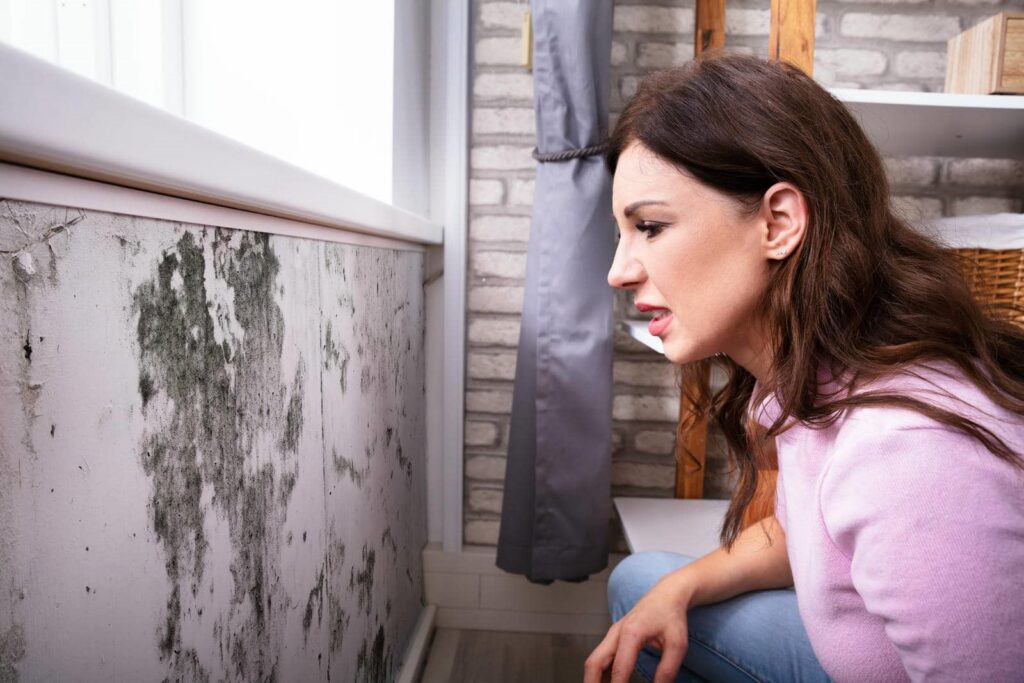
After water damage, your home can feel like an unwelcome swamp, teeming with the potential for mold. To effectively combat this, you need to act quickly and strategically. From evaluating the severity of the damage to controlling humidity levels, each step plays an essential role. Understanding what to do next can make all the difference in preventing mold growth and ensuring a safe environment. Let’s explore the crucial tips to safeguard your space.
Key Takeaways
- Act quickly to remove standing water and dry affected areas to minimize moisture levels.
- Use dehumidifiers and fans to maintain humidity levels between 30% and 50%.
- Inspect for hidden dampness in walls and floors, addressing any issues promptly.
- Regularly check for mold indicators and conduct air quality testing in impacted areas.
- Ensure proper ventilation in the home to reduce humidity and improve airflow.
What to Do Immediately After Water Damage
When you experience water damage, the first step is to guarantee safety by turning off the electricity in affected areas. This emergency response prevents potential electrocution and further complications.
Next, assess the situation quickly; if the water is contaminated, avoid contact and secure the area.
Remove standing water using pumps or wet vacs, as this minimizes damage and reduces mold risk. Open windows and doors to improve ventilation, aiding in the drying process.
If you can, remove wet furniture and belongings to a safe location. Document the damage with photos for insurance purposes.
Finally, contact professionals for assessment and restoration services to confirm thorough recovery and prevent future issues. Your prompt action is vital in maintaining a safe environment.
How to Assess Water Damage Severity
After addressing immediate safety and mitigation steps, it’s important to evaluate the severity of the water damage.
Start by inspecting the affected areas for visible signs, such as discoloration, warping, or peeling paint.
Check for any lingering dampness in walls, floors, and ceilings, as these can indicate deeper issues.
Use moisture meters to measure the moisture content in materials; this provides a more accurate severity assessment.
Document your findings with photos and notes, as this will be useful for insurance claims.
Remember, even minor water damage can lead to mold growth if left untreated, so it’s essential to understand the extent of the damage and act accordingly.
This understanding fosters a proactive approach in preventing future issues.
Remove Standing Water Promptly
To prevent mold growth and further damage, you must remove standing water as quickly as possible. Standing water creates an ideal environment for mold spores to thrive, often leading to extensive property damage and health issues.
Begin water extraction immediately using a wet/dry vacuum or a sump pump. If the water is significant, consider hiring professionals specializing in water damage restoration. Make sure you wear protective gear to safeguard yourself from contaminants.
After removing the standing water, thoroughly dry the affected areas with fans or dehumidifiers. Remember, even small amounts of moisture can lead to mold growth, so be vigilant.
Prioritize swift action to protect your home and create a safe, healthy living environment for you and your family.
Why Promptly Drying Affected Areas Is Crucial
Because mold can begin to develop within 24 to 48 hours after water exposure, promptly drying affected areas is vital for preventing extensive damage and health risks.
Effective drying techniques, such as using fans, heaters, and towels, can greatly reduce moisture levels in your home. Addressing moisture control immediately not only limits mold growth but also protects your property and well-being.
Remember, high humidity creates an environment where mold thrives, so you should act fast. Remove soaked materials and guarantee proper airflow in the space.
By prioritizing prompt drying, you’re taking an essential step toward safeguarding your home and fostering a healthier living environment.
Using Dehumidifiers to Control Humidity
While drying affected areas is essential, using dehumidifiers can greatly enhance your efforts to control humidity levels and prevent mold growth.
There are various dehumidifier types available, such as refrigerant and desiccant models, each suited for different environments. Refrigerant dehumidifiers work best in warmer spaces, while desiccant units excel in cooler conditions.
To effectively manage humidity control, aim for indoor levels between 30% and 50%. Position your dehumidifier in the most impacted areas, ensuring it has ample airflow.
Regularly empty the water reservoir or connect it to a drainage system for peak performance. By integrating dehumidifiers into your water damage recovery strategy, you not only protect your home but also foster a healthier living environment for you and your loved ones.
Cleaning Surfaces After Water Damage to Prevent Mold Growth
Once surfaces have been dried, thorough cleaning is essential to prevent mold growth after water damage.
Start by using mold-resistant cleaning agents specifically designed to eliminate spores and bacteria. Focus on high-risk areas like kitchens, bathrooms, and any other damp environments.
Scrub surfaces with a stiff brush and your chosen cleaning agent, ensuring you don’t miss corners or crevices. Rinse with clean water and dry completely.
For porous materials, consider replacing items like carpets or drywall, as they can harbor mold even after cleaning.
Regular maintenance and inspections will help you stay ahead of any potential mold issues.
How to Monitor for Mold After Restoration?
After restoration, it’s essential to monitor for mold to guarantee a safe environment.
You should conduct regular visual inspections, track humidity levels, and perform air quality testing.
These steps will help you identify any potential mold growth early and take appropriate action.
Regular Visual Inspections
To effectively monitor for mold after restoration, you should conduct regular visual inspections of the affected areas. Aim for an inspection frequency of at least once a week for the first month, then adjust based on your findings.
During each inspection, look for common mold indicators such as discoloration, musty odors, or water stains. Pay special attention to hidden areas, like behind walls and under carpets, where mold can thrive unnoticed.
Document any changes, and if you discover mold growth, address it immediately to prevent further spread. By staying vigilant and proactive, you create a healthier environment for everyone, ensuring that your efforts in restoration truly pay off.
Humidity Level Monitoring
Monitoring humidity levels is essential in preventing mold growth after water damage, as mold thrives in damp environments.
For effective humidity control, you’ll want to use a hygrometer to measure moisture levels in your home. Ideally, indoor humidity should be kept between 30% and 50%. Regularly check these levels, especially in areas prone to moisture, like basements and bathrooms.
If you find humidity levels exceeding 60%, take immediate action by using dehumidifiers or improving ventilation. Additionally, consider installing smart humidity sensors that alert you when levels rise, allowing for timely interventions.
Air Quality Testing
While maintaining low humidity levels is essential, air quality testing is equally important for detecting mold spores that may linger after water damage restoration.
To effectively monitor the air quality, consider using mold testing kits or hiring a professional service. These tools help identify the presence of airborne mold spores, allowing you to take necessary actions before health issues arise.
Additionally, using air filtration systems can markedly reduce mold spores in your environment. HEPA filters are particularly effective, capturing small particles and improving overall air quality.
Regular testing, combined with efficient air filtration, creates a safer living space for you and your loved ones, ensuring you all feel comfortable and protected from potential mold-related health risks.
Frequently Asked Questions
How Long Does It Take for Mold to Grow After Water Damage?
Mold growth typically begins within 24 to 48 hours after water damage, depending on various factors like humidity and temperature. Understanding this mold growth timeline helps you take timely action to prevent further issues.
Can I Use Bleach to Kill Mold After Water Damage?
You can use bleach for mold removal, but its effectiveness is limited on porous surfaces. It kills surface mold, yet spores may remain. Consider professional treatments or specialized products for thorough mold eradication after water damage.
What Are the Health Risks Associated With Mold Exposure?
Mold exposure can trigger respiratory issues, causing symptoms like coughing, sneezing, and wheezing. Imagine feeling trapped in a haze; that’s how mold can affect your health, leading to long-term complications if left unchecked.
Should I Hire a Professional for Mold Removal?
Yes, you should hire professional services for mold removal. They possess specialized equipment and expertise that guarantee thorough eradication, reducing health risks and preventing future infestations, ultimately creating a safer environment for you and your loved ones.
How Can I Tell if Mold Is Hidden Behind Walls?
You can tell if there’s hidden mold by conducting a thorough wall inspection. Look for discoloration, a musty odor, or moisture signs. Use a moisture meter for precise readings, ensuring you address potential mold issues promptly.
Wrap-Up
In the wake of water damage, taking swift action is your best defense against mold. By diligently drying and monitoring affected areas, you can sidestep potential problems down the line. Embrace the use of dehumidifiers and maintain a keen eye on humidity levels, ensuring a healthy environment. Remember, a proactive approach today will keep your space mold-free tomorrow. With these strategies in hand, you’re well-equipped to restore your home to its former glory and safeguard against future issues.