 Skip to content

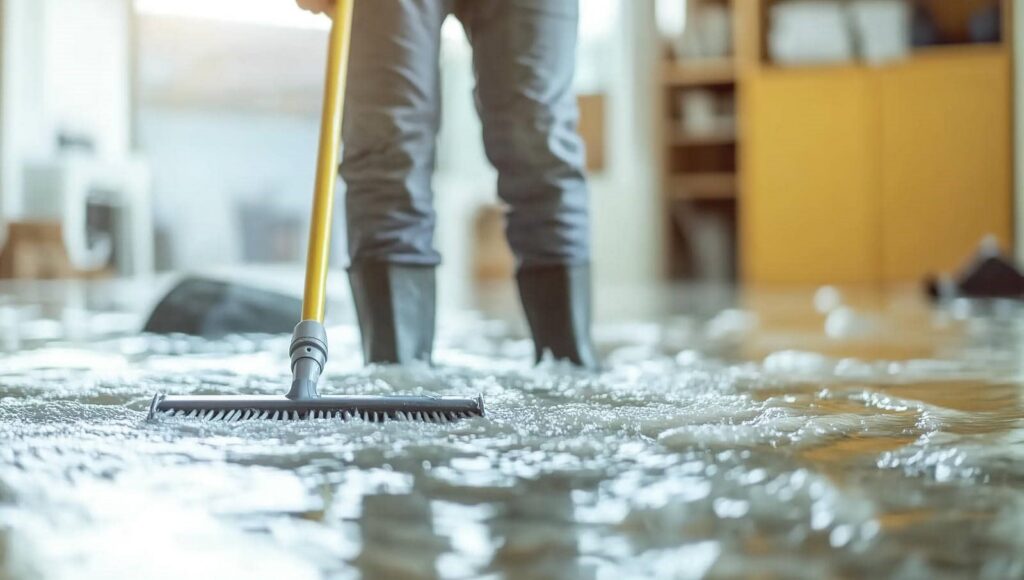
Imagine waking up to find your basement submerged after heavy rain. It’s a distressing situation that can feel overwhelming, but there are vital strategies you can implement for effective recovery. From prioritizing safety to evaluating damage and preventing mold growth, each step is essential. Understanding how to navigate these challenges can make a significant difference in your recovery process. What should you tackle first to guarantee your home is safe and restored?
Key Takeaways
- Shut off electricity and water to prevent hazards before entering the flooded basement.
- Use a sump pump or wet/dry vacuum for effective water removal and extraction.
- Document all damage with photos for insurance claims and recovery records.
- Implement drying strategies, including fans and dehumidifiers, to prevent mold growth.
- Inspect for structural damage and prioritize recovery efforts based on severity.
Immediate Actions for Post-Flood Recovery
When disaster strikes and your basement floods, taking immediate action is essential to minimizing damage and guaranteeing safety.
First, contact your emergency contacts to report the situation and seek assistance. If the flooding is severe, you may need to arrange for temporary housing while the cleanup begins. This helps guarantee you’re safe and can focus on recovery without added stress.
Next, shut off electricity and water to prevent further hazards. Document the damage with photos for insurance claims later.
Remove as much water as possible using pumps or wet vacs, and start drying out the area to prevent mold growth.
These initial steps can create a solid foundation for your recovery process, allowing you to rebuild your home and peace of mind.
Prioritizing Safety During Flood Recovery
Ensuring safety during flood recovery is crucial, as the aftermath of a flooded basement can pose numerous hazards.
Before you enter the affected area, equip yourself with appropriate safety gear, including gloves, rubber boots, and masks to protect against contaminants.
Be cautious of electrical hazards; water and electricity are a dangerous combination. Turn off the main power supply to your home before evaluating the damage to avoid potential shocks. If you notice any damaged wiring or electrical outlets, avoid contact and call a professional.
It’s important to stay alert and trust your instincts—if something feels unsafe, don’t hesitate to seek help.
Prioritizing your safety not only protects you but also fosters a sense of community as you navigate recovery together.
How to Evaluate Flood Damage in Your Home
As you begin to assess the extent of flood damage in your home, it’s essential to approach the task methodically and with care.
Start by conducting a thorough flood assessment, noting areas where water entered and how it affected your belongings.
Check for structural damage, such as sagging ceilings or warped walls, as these can pose safety risks.
Document everything with photos for your records and insurance claims, focusing on the most severely affected items.
This damage appraisal can help you prioritize recovery efforts and identify what can be salvaged.
Water Removal Methods
When your basement floods, effective water removal is essential for preventing further damage.
You can consider options like sump pump installation, using a wet/dry vacuum, or hiring professionals for thorough water extraction.
Each method has its advantages, and understanding them can help you make the best choice for your situation.
Sump Pump Installation
If you’re dealing with a flooded basement, installing a sump pump can be an essential step in reclaiming your space and preventing further damage.
There are various sump pump types, including submersible and pedestal pumps, each suited for different needs and basement conditions. Choose one that fits your situation, making sure it has the capacity to handle your water volume.
Once installed, regular sump pump maintenance is important. Check the pump periodically for clogs, test its operation, and confirm the discharge line directs water away from your foundation.
By taking these proactive steps, you’re not just protecting your home; you’re fostering a safe, welcoming environment for you and your loved ones.
Your efforts today can lead to a dry, healthy basement tomorrow.
Wet/Dry Vacuum Use
A wet/dry vacuum is a powerful tool for quickly removing water from your flooded basement. It offers several benefits that can make your recovery process smoother:
Fast Water Removal: It can handle large volumes of water, reducing damage time.
Versatility: You can use it for both liquid and debris, making it ideal for post-flood clean-up.
Portability: Most models are easy to move, allowing you to reach confined spaces.
Cost-Effective: Investing in a wet/dry vacuum can save you on professional services.
To maximize its effectiveness, proper vacuum maintenance is essential.
Regularly check the filters and clean the tank to guarantee peak performance.
With the right tools and care, you’re well on your way to restoring your basement.
Professional Water Extraction
Facing a flooded basement can be overwhelming, but professional water extraction services offer effective solutions to restore your space quickly and safely.
These experts utilize advanced water extraction techniques, guaranteeing that every drop is removed efficiently. By using specialized equipment, they can address both visible and hidden water, preventing further damage and mold growth.
When you choose professional services, you’re not just hiring a team; you’re gaining peace of mind.
Their experience allows them to navigate the complexities of flood recovery, protecting your home and belongings. Additionally, they provide guidance and support throughout the process, making you feel less alone during this challenging time.
Trusting professionals guarantees that your basement will be restored to its former glory, allowing you to reclaim your space.
Effective Drying Solutions for Basements
Dealing with a flooded basement can be overwhelming, but effective drying solutions can greatly alleviate the stress of recovery.
To restore your space efficiently, consider these strategies:
Dehumidifier options: Invest in a high-capacity dehumidifier to remove excess moisture. Choose one that’s suitable for the size of your basement.
Ventilation techniques: Open windows and doors to promote airflow, or use fans to circulate air and speed up the drying process.
Absorbent materials: Use towels or mop up excess water, focusing on corners where moisture tends to accumulate.
Heat sources: If safe, incorporate space heaters to raise the temperature, which can help evaporate water faster.
Implementing these methods can help you reclaim your basement and restore a sense of normalcy.
Preventing Mold Growth After Flooding
Once you’ve tackled the immediate drying process, the next step is to prevent mold growth, which can flourish in damp environments.
Start by implementing effective mold prevention techniques. Make certain that all surfaces are thoroughly cleaned and sanitized to eliminate any spores that may linger.
Use fans and dehumidifiers to maintain low humidity levels, as controlling moisture is vital in mold prevention. Aim for humidity levels below 60% to create an unfavorable environment for mold.
Regularly inspect your basement for any signs of water intrusion, and seal any cracks or leaks promptly.
Repairing Structural Damage in Your Basement
After a flood, addressing structural damage in your basement is crucial for restoring safety and integrity to your home.
Begin with a thorough structural assessment to identify any issues. Here are some key repair techniques to take into account:
Inspect Foundation Walls: Look for cracks or bulges that need reinforcement.
Repair or Replace Joists: Verify your floor framing is sound to prevent sagging.
Seal Leaks: Use appropriate waterproofing materials to prevent future water intrusion.
Consult Professionals: Engage with structural engineers or contractors for extensive damage.
Taking these steps not only safeguards your home but also fosters a sense of belonging, knowing you’re creating a safe environment for yourself and your loved ones.
Navigating Insurance Claims for Flood Damage
Steering through the insurance claims process for flood damage can feel overwhelming, especially when you’re already dealing with the stress of recovery.
Start by reviewing your insurance policy to understand what’s covered; this knowledge is vital. Document the damage thoroughly with photos and notes, as this evidence will support your claim.
When you contact your insurer, be clear and concise about your situation. Ask questions to guarantee you understand each step of the claim process. Keep records of all communication and follow up regularly; persistence pays off.
How to Prevent Future Flooding?
Recovering from flood damage is a challenging task, but taking proactive measures can help you avoid similar situations in the future.
Here are four essential strategies to contemplate:
Install Proper Drainage Systems: Confirm your property has effective drainage systems to redirect water away from your home.
Evaluate Landscape Grading: Check the grading of your landscape; it should slope away from your foundation to prevent water pooling.
Maintain Gutters and Downspouts: Regularly clean your gutters and downspouts to avoid blockages that can lead to overflow.
Seal Foundation Cracks: Inspect your foundation for any cracks and seal them to prevent water ingress.
Frequently Asked Questions
How Long Should I Wait Before Re-Entering a Flooded Basement?
You should wait at least 24 to 48 hours before re-entering a flooded basement. Prioritize flood safety by ensuring a structural assessment confirms it’s safe; your well-being matters, and caution is essential during recovery.
What Personal Protective Equipment Should I Wear During Cleanup?
You should wear safety gear like gloves, boots, masks, and goggles during cleanup. This protects you from health risks such as mold and contaminated water. Prioritize your safety to guarantee a smoother recovery process.
Can I Salvage My Carpet After a Basement Flood?
Imagine your beloved garden after a storm; some flowers can bloom again. You can salvage your carpet if it’s dried and cleaned promptly. Effective carpet restoration minimizes water damage, restoring your space’s warmth and comfort.
How Can I Remove Unpleasant Odors After Flooding?
To remove unpleasant odors, start with thorough basement dehumidification. Use fans and dehumidifiers to reduce moisture, then clean surfaces with vinegar or baking soda for effective odor removal. This’ll help restore a fresh, welcoming environment.
Should I Hire Professionals or Attempt DIY Cleanup?
Consider cost analysis and safety concerns: if you’re confident and cautious, DIY cleanup might work. However, hiring professionals guarantees thoroughness and safety, letting you focus on restoring your space and peace of mind.
Final Thoughts
Recovering from a flooded basement can feel like climbing Mount Everest, but with the right strategies, you can conquer the challenge. By acting swiftly, prioritizing safety, and effectively drying out your space, you’ll not only restore your home but also protect your family’s well-being. Remember to document everything for insurance and take proactive steps to prevent future flooding. With patience and determination, you’ll turn your flooded nightmare into a distant memory.