 Skip to content
Many homeowners underestimate the importance of a systematic approach when tackling flood damage cleanup. It’s not just about removing water; it’s about ensuring safety and preventing further issues like mold. By understanding the right techniques and steps to take, you can greatly improve your home’s recovery. What you do immediately following a flood can make all the difference in the long run. Let’s explore the essential techniques you need to know.
Key Takeaways
- Prioritize safety by wearing PPE and ensuring electricity is turned off before starting cleanup.
- Use wet/dry vacuums for manageable water and pumps for larger amounts to expedite removal.
- Dry out the affected areas thoroughly with fans and dehumidifiers to prevent mold growth.
- Document damage with photos and consult your flood insurance provider for coverage assistance.
- Seek professional help for extensive damage, structural issues, or mold growth exceeding 10 square feet.
How to Assess Flood Damage in Your Home
When evaluating flood damage in your home, start by prioritizing safety; don’t enter any areas where water is still present or where structural damage is evident.
Use effective flood assessment techniques to identify the extent of the damage. Begin with a damage evaluation checklist that includes inspecting walls, floors, and ceilings for signs of moisture or mold. Document any visible damage with photos for insurance purposes.
Check your electrical systems, appliances, and plumbing for issues caused by the flood. Don’t forget to assess personal belongings, noting those that can’t be salvaged.
Engaging with neighbors or local community resources can offer additional support during this difficult time, helping you feel connected as you navigate the recovery process.
Safety Tips Before You Start Cleanup
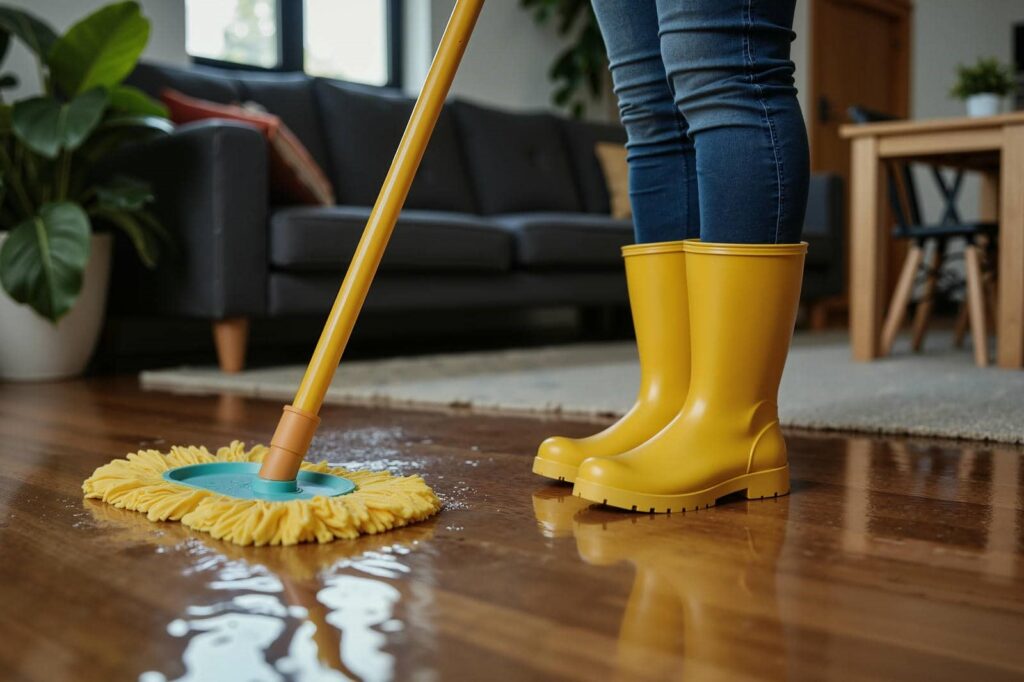
How can you guarantee your safety before diving into flood cleanup? First, equip yourself with personal protective equipment (PPE), including gloves, boots, and masks, to shield against contaminants.
Verify your home’s electricity is turned off to prevent shocks. Before starting, create an emergency contact list with numbers for local authorities, utility companies, and medical services, just in case you need assistance.
Also, don’t work alone; having someone by your side can provide support and help in case of an emergency. Take breaks, stay hydrated, and listen to your body.
Being mindful of these safety tips not only protects you but also fosters a sense of community as you tackle the cleanup together.
Water Removal: A Step-by-Step Guide
To effectively tackle water removal after a flood, start by gathering essential tools like a pump, wet/dry vacuum, and buckets.
Begin your water extraction by evaluating the damage—identify how deep the water is and which areas are most affected. If the water level is manageable, use a wet/dry vacuum to suck up excess water, working from the furthest corner toward the exit.
For larger amounts, employ a pump to quickly remove standing water. Once you’ve cleared the bulk, use towels or mops for any remaining moisture.
Keep an eye out for hidden pockets of water that could cause further issues. Remember, thorough water removal is vital for preventing long-term damage and ensuring your home stays safe and welcoming.
Top Mold Prevention Techniques Following Floods
Since mold can develop within 24 to 48 hours after a flood, taking swift action is essential for prevention. Start by removing any standing water immediately, as this is critical for effective moisture control.
Next, dry out your home thoroughly by using fans and opening windows. Verify you check hidden areas like basements and attics where moisture might linger.
You should also clean and disinfect surfaces, especially those touched by floodwaters, to deter mold growth. Consider using dehumidifiers to keep humidity levels low, ideally below 60%.
Finally, inspect your home regularly for any signs of mold, as early detection is key to maintaining a healthy living environment for you and your loved ones.
How to Dry Out and Dehumidify Your Space
When facing the aftermath of a flood, effectively drying out and dehumidifying your space is vital to prevent further damage and mold growth.
Start by removing any standing water using pumps or buckets, then employ different drying methods. Use fans to circulate air, and open windows if weather permits.
Investing in dehumidifier types like refrigerant or desiccant can considerably lower humidity levels. Set the dehumidifier to a low setting to maximize efficiency, and empty the water reservoir regularly.
Additionally, consider using moisture meters to track progress. Regularly check hidden areas, such as basements and crawlspaces, to verify they’re dry.
Flood Damage Restoration: Repairing and Restoring Your Home
As you begin the process of flood damage restoration, it’s crucial to assess the extent of the damage before diving into repairs.
Start by documenting everything for your home insurance claim, as this will make the process smoother. Next, focus on safety and make certain your home is safe to enter.
Here are three key steps to follow:
Remove damaged materials: Tear out soaked drywall, insulation, and flooring to prevent mold growth.
Dry out your home: Use fans and dehumidifiers to eliminate moisture effectively.
Repair and restore: Replace damaged items and begin restoring your home to its pre-flood condition.
When to Call in Professional Flood Damage Restoration Services?
If you’re facing extensive water damage, it’s essential to assess the situation quickly.
When mold begins to grow or if there are risks to your electrical system, calling in professional flood damage restoration services can be a lifesaver.
They’ve the expertise and equipment to address these issues safely and effectively.
Extensive Water Damage
Recognizing the signs of extensive water damage can be essential for preventing further destruction to your property. If you notice any of the following, it’s time to call in professionals:
Persistent dampness: If walls, ceilings, or floors remain wet for an extended period, it’s a warning sign.
Structural issues: Buckling floors or sagging ceilings indicate severe damage that needs immediate attention.
Unpleasant odors: Musty smells often signal extensive water damage that could lead to costly repairs.
Don’t forget to contact your flood insurance provider to discuss coverage and expedite the restoration timeline.
Acting quickly can save you from more significant expenses and help restore your home to its former glory. Your home deserves the best care after a flood.
Mold Growth Concerns
Mold can begin to develop within 24 to 48 hours after a flood, making it essential to act swiftly.
If you notice musty odors or visible patches, it’s vital to use mold identification techniques, like inspecting damp areas and checking hidden spots.
If the mold covers more than 10 square feet, it’s time to call in professionals. They’re equipped with effective mold remediation methods, ensuring a thorough cleanup that goes beyond surface treatment.
Professional services can also assess the extent of damage and prevent future growth.
Electrical System Risks
How can you guarantee your home’s electrical system is safe after a flood? Floodwaters can pose serious electrical hazards, and it’s vital to assess the situation carefully. Here are three steps you should take:
Turn off the power: Immediately switch off the main circuit breaker to prevent potential shocks or fires.
Conduct circuit assessments: Examine your electrical system for visible damage, including frayed wires or corrosion.
Call in professionals: If you spot any issues or feel uncertain, don’t hesitate to contact a licensed electrician or flood damage restoration service to secure your safety.
Frequently Asked Questions
What Types of Insurance Cover Flood Damage Cleanup Costs?
Flood insurance typically covers cleanup costs, but you should check your policy’s coverage limits. Make sure you understand what’s included, as some standard homeowners’ policies may not cover flood-related damages. Protect your home wisely.
How Can I Determine if My Belongings Are Salvageable?
Determining if your belongings are salvageable is like examining a wilted flower. Conduct a salvage assessment and a restoration evaluation to identify items worth saving. Prioritize sentimental pieces, and consult professionals for guidance on challenging decisions.
What Should I Do With Contaminated Floodwater?
You should avoid contaminated floodwater due to safety concerns. Wear protective gear, seal off affected areas, and report contamination risks to local authorities. Properly dispose of hazardous materials to guarantee your safety and health.
Are There Any Government Assistance Programs for Flood Damage Recovery?
Yes, you can access federal aid through disaster relief programs. Check FEMA’s website for assistance options tailored to your situation. They’ve got resources that can help you recover and rebuild after flood damage effectively.
How Long Does the Flood Restoration Process Typically Take?
The flood restoration timeline usually spans from a few days to several weeks, depending on damage severity and recovery process duration. You’ll want to stay organized and communicate with professionals to guarantee efficient progress.
Review
In the aftermath of a flood, taking swift action can mean the difference between a minor setback and a major disaster. By following proven cleanup techniques, you not only restore your home but also reclaim your peace of mind. Remember, just as a seed needs water to grow but too much can drown it, your efforts in managing moisture will determine your home’s recovery. Don’t hesitate to seek professional help if the situation feels overwhelming—you’re not alone in this journey.