 Skip to content

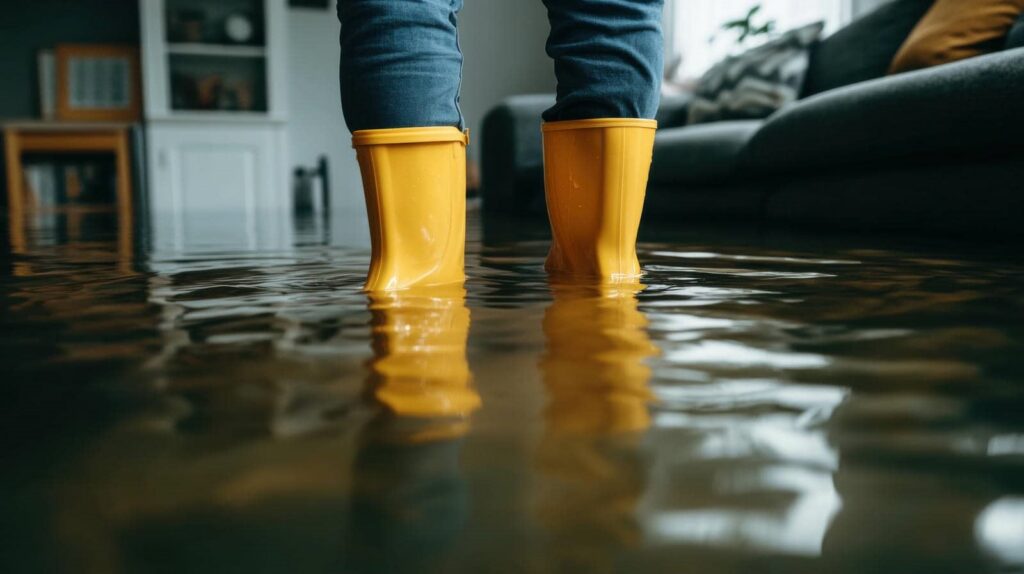
When you experience water damage, knowing how to file a claim can greatly impact your recovery process. It’s vital to understand your insurance policy, as each one has specific requirements. Documenting the damage accurately is essential, as is submitting your claim promptly. However, many overlook key details that can hinder their claims. Let’s explore the necessary steps you should take to ensure your claim is as effective as possible.
Key Takeaways
- Gather all evidence, including photos of damage, repair receipts, and communication records with your insurance provider.
- Review your insurance policy to understand coverage details and specific claims process requirements before filing.
- Submit your claim promptly to the insurer and include all necessary documentation to avoid delays.
- Obtain professional assessments and witness statements to strengthen your claim and substantiate the extent of the damage.
- Maintain clear communication with the insurance adjuster, following up regularly to ensure progress on your claim.
Understanding Your Water Damage Insurance Policy
When you experience water damage, understanding your insurance policy is essential, as it can greatly affect your claim process.
Begin by reviewing your policy coverage to identify what types of water damage are included. Common coverages often encompass sudden incidents, like burst pipes, while others may exclude gradual leaks or flooding.
Pay close attention to claim exclusions, as these can considerably impact your ability to receive compensation. For instance, many policies exclude damages caused by neglect or lack of maintenance.
Familiarizing yourself with these details helps you prepare for the claims process and ensures you’re advocating effectively for your rights.
Being informed fosters a sense of belonging within your community of homeowners maneuvering similar challenges.
Essential Steps for Documenting Water Damage
To effectively document water damage, you need to take several essential steps.
Start by capturing thorough photos of the affected areas, as visual evidence is important for your claim.
Additionally, keep all repair receipts and maintain a record of communications with your insurance provider to support your case.
Take Comprehensive Photos
Capturing thorough photos of water damage is vital for successfully documenting your claim, as visual evidence plays a significant role in substantiating your case.
Start by taking wide-angle shots to capture the overall scene, then zoom in on specific damages, such as warped flooring, stained walls, or damaged personal items.
Make sure you include timestamps in your water damage photography to validate when the incident occurred, which is essential for insurance claim documentation.
Document every affected area from multiple angles, and don’t forget to photograph any standing water.
This all-encompassing approach supports your claim and demonstrates your diligence.
Keep Repair Receipts
Thorough documentation goes beyond photos; keeping repair receipts is a critical aspect of substantiating your water damage claim.
Ensuring good receipts organization is essential, as it allows you to track all expenses related to repairs efficiently. Each receipt serves as evidence of the costs incurred, reinforcing your claim’s credibility.
When you engage a contractor or purchase materials, always ask for detailed receipts that itemize the work done and costs involved.
This approach aids in tracking repairs and provides a thorough financial overview for your insurance adjuster. By maintaining organized records, you bolster your position, making it easier to navigate the claims process and increase the likelihood of a favorable outcome.
Document Communication Records
While you may focus on repairs and receipts, documenting your communication records is equally essential in the water damage claims process.
Use effective documentation to track every interaction you have regarding the claim, including emails, phone calls, and meetings. Implement communication strategies that ensure you maintain a clear record of dates, times, and the names of individuals you spoke with.
This detailed log will support your claims and provide clarity in any disputes. Don’t forget to note the content of these conversations, especially any promises made or information shared.
Step-by-Step Guide to Filing Your Water Damage Claim
To effectively file your water damage claim, start by gathering all relevant evidence and documentation. This includes photographs, receipts, and any correspondence with contractors or your insurance company.
Next, make sure you submit your claim promptly to avoid potential delays in processing.
Gather Evidence and Documentation
Gathering evidence and documentation is essential for ensuring your water damage claim is processed smoothly and fairly.
To strengthen your case, consider the following evidence types and documentation tips:
Photographs: Take clear images of the damage, including affected areas and belongings.
Receipts: Keep records of any repairs or replacements, showing incurred costs.
Reports: Obtain a professional assessment from a contractor or insurance adjuster, detailing the damage.
Witness Statements: Collect written accounts from neighbors or friends who can verify the situation.
Submit Claim Promptly
Submitting your water damage claim promptly is crucial, as delays can lead to complications or even denial. Insurers often set specific claim deadlines, and missing these can jeopardize your coverage.
To ensure timely submission, gather all necessary documentation and evidence as soon as possible. Review your policy for any requirements regarding the claims process, including forms that need completion.
Once you’ve collected everything, file your claim immediately. This proactive approach demonstrates your commitment to addressing the issue, fostering a positive relationship with your insurer.
Avoid These Common Mistakes in Water Damage Claims
When filing a water damage claim, overlooking critical details can greatly impact the outcome of your case.
Avoid these common pitfalls to minimize the risk of claim denial:
Neglecting Documentation: Always take photos and keep records of damages and repairs.
Delaying Notification: Report the damage to your insurer promptly to avoid complications.
Underestimating Damages: Be thorough in evaluating all affected areas; minor issues can escalate.
Ignoring Policy Details: Familiarize yourself with your coverage limits and exclusions to ensure you’re adequately prepared.
What Happens After Filing Your Claim?
After you file your water damage claim, your insurer will initiate a review process to assess the validity and extent of your damages. This includes examining documentation such as photos, repair estimates, and your policy details.
Typically, the insurance company will assign an adjuster to evaluate your claim, which is essential for determining the claim resolution. During this time, you can expect to receive updates regarding the claim timeline, as insurers often provide estimated durations for each stage of the process.
If additional information is required, they may contact you for clarification. Understanding these steps can help you stay informed and engaged, ensuring you’re prepared for any follow-up needed to expedite your claim resolution.
Tips for Collaborating With Insurance Adjusters
Working closely with your insurance adjuster can greatly influence the outcome of your water damage claim.
Employing effective adjuster etiquette and negotiation strategies is key. Here are some tips to enhance your collaboration:
Be Prepared: Gather all relevant documentation, including photos and repair estimates, to present a thorough case.
Communicate Clearly: Establish open lines of communication. Be concise and articulate your concerns effectively.
Stay Professional: Maintain a respectful tone, even if disagreements arise. Your professionalism can foster a constructive relationship.
Follow Up: Regularly check in to keep the process moving. This illustrates your commitment and ensures your claim remains a priority.
Frequently Asked Questions
How Long Do I Have to File a Water Damage Claim?
You typically have a limited timeframe to file a water damage claim, often ranging from 30 to 90 days. Familiarize yourself with your insurance policy’s claim submission periods to ensure timely action.
Will My Premium Increase After Filing a Water Damage Claim?
Filing a water damage claim can feel like opening a floodgate. Your premium might increase, depending on your claim history. Insurers often assess risk, so a single claim could affect your future rates considerably.
Can I File a Claim for Gradual Water Damage?
You can file a claim for gradual water damage, but it often depends on your policy specifics. Review your coverage and understand the claim process to ensure you’re adequately protected and informed.
What if My Insurance Company Denies My Claim?
When a gardener faces a frost’s bite, they don’t give up. Similarly, if your claim’s denied, start the appeal process. Gather evidence and be persistent; you deserve a fair review of your situation.
Are There Deadlines for Submitting Supporting Documents?
Yes, there are deadlines for document submission. Each insurance company has specific claim requirements, so you’ll need to check your policy to ensure you submit everything on time and avoid jeopardizing your claim.
Conclusion
Successfully filing a water damage claim hinges on understanding your policy and meticulously documenting the damage. By following the outlined steps and avoiding common pitfalls, you can streamline the process. Remember, collaboration with insurance adjusters is key to achieving a favorable outcome. Stay organized, be proactive, and ensure all necessary evidence is at your fingertips. With careful preparation and attention to detail, you can navigate the claims process effectively and secure the compensation you deserve.