 Skip to content
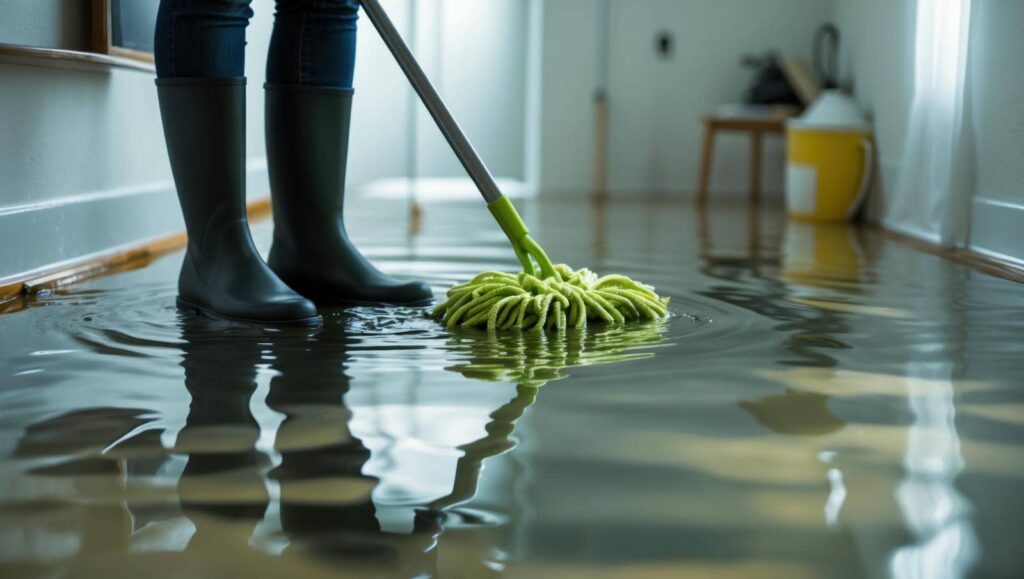
Water damage can escalate quickly, turning a minor leak into a major disaster within hours. Knowing how to respond effectively is vital in minimizing damage and preventing costly repairs. You’ll want to act swiftly and methodically, starting with essential steps and tools to manage the situation. Understanding the proper techniques for various surfaces can make a significant difference. Let’s explore the best practices for emergency water removal to safeguard your property.
Key Takeaways
- Turn off electricity near water to prevent electrical hazards and ensure safety during the removal process.
- Use robust tools like wet/dry vacuums and pumps for effective extraction of excess water.
- Dry hard surfaces promptly with mops and towels to prevent further damage and reduce humidity levels.
- Monitor and manage humidity using dehumidifiers to inhibit mold growth and maintain a safe environment.
- Conduct thorough inspections for hidden moisture and use antifungal agents to address persistent mold issues.
Immediate Actions After Water Intrusion: What to Do First
When you discover water intrusion in your home or workplace, it’s crucial to act swiftly to minimize damage. Your initial response should focus on safety first; turn off the electricity if water is near outlets or appliances.
Next, identify the source of the water intrusion and stop it if possible. Once that’s done, remove any valuable items and furniture from the affected area to prevent further loss.
Use towels or a wet/dry vacuum to soak up excess water. If the situation is severe, consider contacting a professional for assistance.
Why Emergency Water Removal Matters
Emergency water removal is essential for mitigating health risks, as stagnant water can quickly become a breeding ground for mold and bacteria.
By acting promptly, you can prevent extensive property damage and reduce the overall costs associated with repairs.
Additionally, swift removal supports a quicker restoration process, allowing you to return to normalcy sooner.
Health Risks Mitigation
Although it may seem like a minor inconvenience, water intrusion can pose significant health risks if not addressed swiftly and effectively.
Standing water creates a breeding ground for mold and bacteria, leading to serious health hazards. You might unknowingly expose yourself and your loved ones to waterborne diseases, which can cause illness and long-term health issues.
It’s essential to act quickly to remove excess water and dry affected areas thoroughly. Implementing effective emergency water removal techniques not only protects your property but also safeguards your family’s well-being.
Property Damage Prevention
Effective water removal is essential for preventing extensive property damage that can arise from even minor leaks or flooding incidents. When water infiltrates your space, it can weaken structures, damage belongings, and lead to mold growth.
Quick action is vital; using effective emergency water removal techniques can minimize these risks. Consider investing in waterproofing solutions to protect your property against future water intrusion.
These proactive measures not only safeguard your space but can also positively influence your insurance coverage. Insurers often favor properties with robust water damage prevention strategies, which can lead to lower premiums.
Quick Restoration Process
When water damage strikes, swift action is crucial for restoring your home to its pre-incident condition. The quick restoration process hinges on effective emergency water removal techniques, which safeguard your property from further harm.
Implementing efficient extraction methods guarantees that water is removed rapidly, allowing for quick drying of affected areas.
- Minimizes damage to structures and belongings
- Reduces the risk of mold and mildew growth
- Restores comfort and safety in your living space
- Saves time and money in the long run
Must-Have Tools for Successful Water Removal
To successfully remove water in an emergency, having the right tools at your disposal can make all the difference. Start with robust water extraction tools, like pumps and wet/dry vacuums, to tackle significant water accumulation efficiently. These devices help you clear large volumes quickly, minimizing damage.
Next, invest in moisture detection devices. These tools, including hygrometers and infrared cameras, allow you to identify hidden moisture that could lead to mold growth. Understanding the extent of water damage is vital for effective restoration.
Having these essential tools readily available not only empowers you during a crisis but also fosters a sense of community as you share your knowledge and preparedness with others. Together, you can face emergencies more effectively.
Water Removal Techniques for Various Surfaces
While various surfaces require tailored approaches for effective water removal, understanding the specific techniques can greatly enhance your restoration efforts.
For carpets, use a high-powered vacuum for carpet extraction to remove excess water efficiently.
Hard surfaces like tile or hardwood can be dried with mops and towels, ensuring you tackle any standing water immediately.
For concrete, implement concrete drying methods such as air movers and dehumidifiers to expedite moisture removal.
Remember to monitor humidity levels during the process to prevent further complications.
Dealing With Mold and Mildew After Water Damage
After addressing immediate water removal needs, the next critical step involves tackling mold and mildew growth that can arise from prolonged moisture exposure.
Start by thoroughly inspecting affected areas, as early detection is key to effective mold prevention. Use a mixture of water and detergent to scrub surfaces, ensuring you remove any visible mildew.
For persistent issues, consider specialized mildew removal products containing antifungal agents. Once cleaned, focus on reducing humidity levels; use dehumidifiers and improve ventilation to prevent future growth.
Remember, maintaining a dry environment is essential. Regularly check for leaks and moisture accumulation, and consider using mold-resistant paint in vulnerable areas to further enhance mold prevention in your home.
Taking these steps helps protect your space and well-being.
DIY Water Removal vs. When to Hire Professionals?
When faced with water damage, you might wonder whether to tackle the cleanup yourself or call in professionals.
While DIY techniques can be effective for minor water issues, there are situations where professional services are essential. Here’s how to decide:
Extent of Damage: If the water damage is extensive, professionals have the equipment to handle it safely.
Health Risks: Standing water can lead to mold and bacteria; experts can mitigate these risks.
Time and Effort: DIY cleanup can be time-consuming; professionals can expedite the process.
Insurance Considerations: Some insurance policies may require a certified service for claims.
Ultimately, weigh the severity of the situation against your capabilities to make the best choice for your home.
Preventative Measures to Avoid Future Water Damage
To effectively prevent future water damage, you should prioritize regular maintenance checks on your plumbing and roofing systems.
Ensuring proper drainage systems are in place will also help redirect water away from your property.
Regular Maintenance Checks
Regular maintenance checks are essential for preventing future water damage, as they allow you to identify and address potential issues before they escalate.
By conducting routine assessments and preventive inspections, you can maintain a healthy home environment and protect your property. Here are some key areas to focus on:
- Inspect roofs for missing shingles or leaks
- Check plumbing for signs of wear or leaks
- Examine gutters and downspouts for clogs
- Review basement and foundation for moisture issues
Implementing these checks regularly not only helps you catch problems early but also fosters a sense of security among your family.
Taking these proactive steps can save you from costly repairs and guarantee a safe, comfortable living space for everyone.
Proper Drainage Systems
Identifying potential water damage early through maintenance checks is only part of the solution; proper drainage systems are equally important in safeguarding your property.
You need effective drainage solutions to manage water flow away from your home. Start by evaluating your landscape grading should direct water away from foundations.
Install gutters and downspouts, ensuring they’re free of debris and function correctly. French drains can be a great addition, channeling excess water away from critical areas.
Regularly check and maintain these systems to prevent blockages that could lead to flooding.
Frequently Asked Questions
How Can I Tell if My Water Removal Is Successful?
You can tell your water removal’s successful by conducting water testing and moisture measurement. If results show acceptable levels, you’ve likely removed excess water effectively, ensuring your space is safe and dry for everyone involved.
What Safety Precautions Should I Take During Water Removal?
You wouldn’t want to get electrocuted while cleaning up, right? Always wear personal protective equipment and guarantee electrical safety by turning off power sources. It’s essential for your safety and helps maintain a secure environment.
Can I Use a Regular Vacuum for Water Removal?
You can’t use a regular vacuum for water extraction; it’s not designed for liquids. Instead, opt for wet/dry vacuums specifically made for such tasks to guarantee effective and safe water removal without damage.
How Long Does It Take for Water to Cause Damage?
Water can start causing damage within minutes, especially with flood damage. Materials absorb water quickly, leading to structural issues and mold growth if left untreated. Acting fast is essential to minimize long-term effects.
What Are the Long-Term Effects of Inadequate Water Removal?
Ignoring water issues leads to mold growth and structural damage, which can spiral out of control. You’ll find that long-term effects can jeopardize your health and property, creating a costly burden down the line.
Summary
Effective emergency water removal is essential to protect your property and health. By taking immediate action and using the right tools, you can tackle water intrusion head-on. Remember, an ounce of prevention is worth a pound of cure; implementing preventative measures can save you from future headaches. Stay vigilant and proactive, whether you’re drying surfaces or monitoring humidity levels, to guarantee your space remains safe and dry. Don’t wait act swiftly to safeguard your home!