 Skip to content

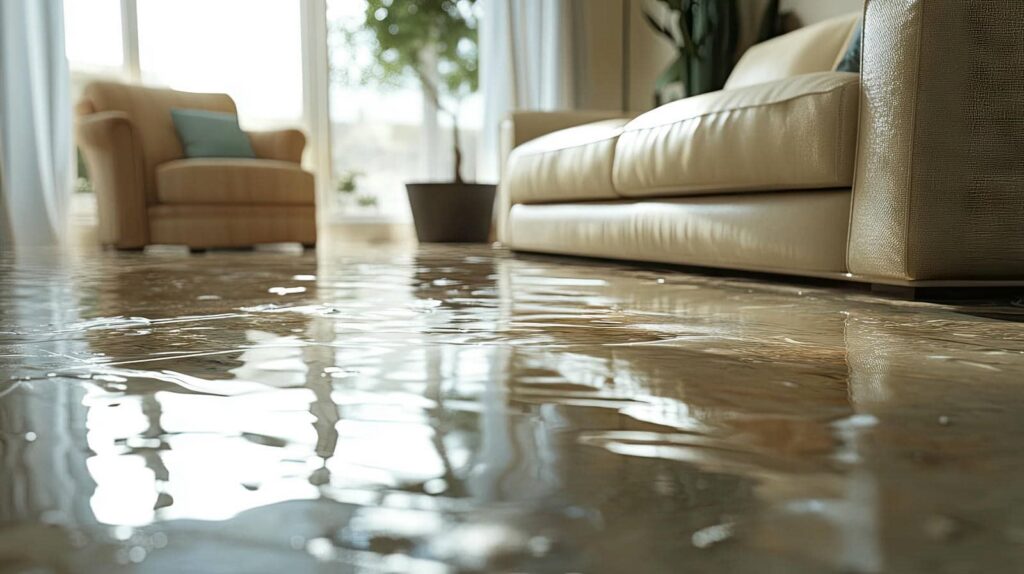
Imagine returning home to find your basement flooded after a heavy rainstorm, leaving you to face extensive water damage. Steering through the insurance claim process can be challenging and requires careful attention to detail. Understanding the steps involved can greatly impact your claim’s outcome. From documenting the damage to communicating with your insurer, each action matters. What do you need to know to ensure your claim is handled smoothly and efficiently?
Key Takeaways
- Review your insurance policy to understand coverage and exclusions specific to water damage before initiating the claim process.
- Gather evidence of the damage, including photographs and a detailed inventory of affected items, to support your claim.
- Complete the claim form accurately, including dates, locations, and a thorough description of the water damage and affected items.
- Communicate regularly with the adjuster, documenting all interactions to track progress and clarify any questions about your claim.
- Follow up on the claim status consistently and maintain organized records of all communications and documentation to facilitate the process.
How to Successfully File a Water Damage Insurance Claim
When you experience water damage, filing an insurance claim may seem intimidating, but following a structured approach can simplify the process.
Start by reviewing your insurance policy to understand your coverage and any exclusions related to water damage. This will guide your next steps effectively.
Gather evidence of the damage, including photos and a detailed list of affected items, as this documentation supports your claim. If applicable, outline any water damage prevention measures you’d implemented, demonstrating your proactive approach.
Next, contact your insurer to report the damage and initiate the claim. Be prepared to answer questions and provide documentation as needed.
Following these steps can help you navigate the claims process with confidence and ensure you receive the support you deserve.
Why Documenting Your Water Damage Is Essential
Documenting your water damage is essential for a successful insurance claim. The importance of evidence can’t be overstated; it directly affects your compensation.
Accurate documentation helps your insurer understand the extent of the damage and the necessary repairs. Here’s why thorough documentation matters:
- Establishes a clear timeline of events leading to the damage.
- Provides undeniable proof of the extent and severity of the damage.
- Supports your claim in case of disputes or discrepancies with the insurance company.
- Facilitates quicker processing, helping you receive compensation faster.
How to Take Effective Photos of Water Damage
When it comes to documenting water damage, using natural lighting can markedly enhance the clarity of your photos.
Make sure to capture multiple angles to provide a thorough view of the affected areas.
This approach strengthens your claim and presents a clear picture of the damage to your insurer.
Use Natural Lighting
Using natural lighting is essential for capturing effective photos of water damage, as it enhances detail and clarity in your images. By leveraging natural light benefits, you can better document the extent of the damage, making your claim stronger.
Here are some photography techniques to keep in mind:
Choose the right time: Aim for midday when sunlight is bright but not harsh.
Avoid shadows: Position yourself to minimize shadows cast on the affected areas.
Use reflective surfaces: Capture light bouncing off wet surfaces to highlight damage.
Adjust exposure settings: If using a camera, fine-tune exposure to avoid overexposed images.
Utilizing these tips will ensure your photos effectively showcase the water damage, supporting your insurance claim process.
Capture Multiple Angles
Capturing multiple angles of water damage provides a thorough view, ensuring you don’t miss any critical details.
Begin by taking wide shots to establish the overall scene, then zoom in on specific areas of damage. Use different photographic angles to highlight variations in the damage perspectives, such as warped walls or stained ceilings.
Remember to document any affected personal items as well. It’s essential to capture both the severity and extent of the damage, so take your time and move around the space.
This approach strengthens your claim and conveys a complete picture to your insurance adjuster, helping them understand the full impact of the water damage on your property.
How to Fill Out Your Water Damage Insurance Claim Form
Filling out your water damage insurance claim form can be a straightforward process if you approach it methodically.
To ensure you complete the form accurately, follow these claim form tips and filling instructions:
Gather all necessary documents: Collect receipts, photos, and any relevant reports related to the damage.
Be specific about the damage: Clearly describe the extent and nature of the water damage, including dates and locations.
List all affected items: Include a detailed inventory of damaged personal property and their estimated values.
Double-check for accuracy: Review your form for errors or omissions before submission to prevent delays.
Contacting Your Insurance Company: First Steps
Once you’ve completed your water damage insurance claim form, the next step is to promptly contact your insurance company. This begins your initial claim process.
Reach out to your agent or claims representative and inform them about the situation. They’ll guide you through the necessary steps and may ask for a review of your insurance policy.
Understanding your coverage is essential at this stage, as it helps you know what to expect regarding compensation and any deductibles.
Be ready to provide details about the damage and any immediate actions you’ve taken to mitigate further issues.
Open communication with your insurer fosters a smoother claims experience, ensuring you feel supported as you navigate this challenging time.
Essential Documents and Information for Your Claim Submission
To successfully submit your water damage claim, you’ll need to gather essential documents and information.
This includes understanding the specific requirements of the claim form and creating a detailed checklist of necessary documentation.
Being organized and thorough will streamline the process and help ensure your claim is processed efficiently.
Claim Form Requirements
When filing a water damage claim, having the right documents and information can greatly streamline the process.
Familiarizing yourself with the claim form guidelines is essential to ensure your submission is complete.
Here’s a quick list of required information you’ll need:
- Policy number: Your unique insurance policy identifier.
- Incident details: Date, time, and nature of the water damage.
- Damage description: Specific areas affected and an overview of the damage.
- Photographic evidence: Clear images showcasing the extent of the damage.
Documentation Checklist Essentials
Gathering the right documentation is essential for a successful water damage claim, and having an all-encompassing checklist can help ensure you don’t miss anything important.
Start by reviewing your insurance policy overview to understand coverage limits and exclusions. Document the damage with clear photos and videos, capturing all affected areas.
Include a detailed list of damaged items, noting their age and value. Record any repair estimates and invoices to support your claim submission.
Don’t forget to gather any relevant correspondence with your insurance company, as these are vital claim submission tips.
Finally, keep records of any temporary housing or repairs, as these may influence your claim’s outcome. Being thorough now will foster a smoother claims process later.
What Adjusters Do for Your Water Damage Claim
Adjusters play an essential role in the water damage claims process, acting as the intermediary between you and your insurance company. Understanding their responsibilities can help you navigate the claim evaluation smoothly.
Here’s what you can expect from your adjuster:
Assessing Damage: They’ll inspect the affected areas to determine the extent of the water damage.
Collecting Evidence: Adjusters gather necessary documentation, including photos and repair estimates.
Evaluating Claims: They analyze your policy coverage to ensure you receive a fair settlement.
Communicating Updates: Your adjuster keeps you informed throughout the process, explaining decisions and timelines.
Common Mistakes to Avoid When Filing Claims
Filing a water damage claim can be a complex process, and making mistakes can lead to delays or denials. One common misconception is that you must file immediately after the damage occurs. While timely filing is important, it’s equally essential to ensure you’ve documented the damage thoroughly.
Rushing can lead to overlooked details that harm your claim. Another mistake isn’t keeping records of communications with your insurer. This can create confusion later.
Additionally, be cautious about accepting the first settlement offer; it may not cover all your losses. By understanding these pitfalls and focusing on clear, organized documentation, you’ll improve your chances of a successful claim, fostering a sense of community among those maneuvering similar challenges.
What Happens After Submitting Your Claim?
Once you’ve submitted your claim, the next steps involve a thorough review process by your insurance company. During the claim review, they’ll assess the details you’ve provided, which could take some time. You’ll want to stay informed and prepared for any follow-up questions.
Here’s what to expect during this phase:
Investigation: An adjuster may inspect the damage to verify your claim.
Documentation: You may need to submit additional proof, like photos or repair estimates.
Decision: The insurer will decide on your claim approval or denial based on their findings.
Notification: You’ll receive written communication regarding their decision, detailing any next steps if approved.
Being proactive during this stage can facilitate a smoother process.
How to Effectively Follow Up on Your Claim Status
To effectively follow up on your water damage claim status, contact your adjuster regularly to stay informed about any updates.
It’s important to document all communication efforts, as this can provide clarity and support your case if issues arise.
Maintaining organized records will help ensure a smoother process as you navigate your claim.
Contact Your Adjuster Regularly
While steering through the complexities of a water damage claim, staying in regular contact with your adjuster is essential for maintaining momentum on your case. Effective adjuster communication fosters trust and ensures you receive timely claim updates.
Here are some tips to enhance your follow-up efforts:
Schedule Regular Check-ins: Establish a routine for updates, whether weekly or biweekly.
Prepare Questions: Jot down specific inquiries to make your conversations more productive.
Be Polite Yet Persistent: A friendly approach encourages cooperation, but don’t hesitate to ask for updates.
Document Everything: Keep notes from each conversation to track progress and commitments.
Document All Communication Efforts
Effective documentation of all communication efforts streamlines the claims process and strengthens your position should disputes arise.
Start by maintaining detailed communication logs that record every interaction with your insurance company. Note the date, time, and names of representatives you speak with, along with the content of your conversations. This practice helps you track claim updates and establishes a clear timeline of your efforts.
Don’t hesitate to follow up regularly, referencing your logs to remind the insurer of previous discussions. If issues arise, having this information readily available can greatly bolster your case.
Frequently Asked Questions
How Long Do I Have to File a Water Damage Claim?
You typically have one to two years to file a water damage claim, depending on your policy. Be aware of claim deadlines and follow the filing procedures carefully to ensure your claim’s success.
Will My Insurance Premium Increase After Filing a Claim?
Yes, your insurance premium might increase after filing a claim, especially if you file multiple claims. Have you considered how claim frequency impacts your rates? It’s wise to review your policy and consult your agent.
Are There Specific Exclusions for Water Damage Coverage?
Yes, there are specific exclusions for water damage coverage. Flood damage typically isn’t covered under standard policies, and you should check your policy limits to understand what types of water damage are included or excluded.
Can I Receive Compensation for Temporary Housing Expenses?
Yes, you can receive compensation for temporary housing expenses if your insurance coverage includes additional living expenses. Review your policy details to understand the limits and requirements for reimbursement during your displacement due to water damage.
What Should I Do if My Claim Is Denied?
If your claim’s denied, start the claim appeal process by reviewing your policy and gathering evidence. Utilize effective insurance negotiation strategies, such as presenting clear documentation, to strengthen your case and improve your chances of success.
Summary
Filing a water damage insurance claim might seem intimidating, but by following these steps, you can navigate the process smoothly. Remember, documenting your damage with clear photos and thorough notes is essential. If you think the paperwork is overwhelming, consider using a checklist to stay organized. Staying proactive in communication with your insurer will help ensure your claim is processed efficiently. With diligence and attention to detail, you can secure the coverage you deserve for your losses.