 Skip to content
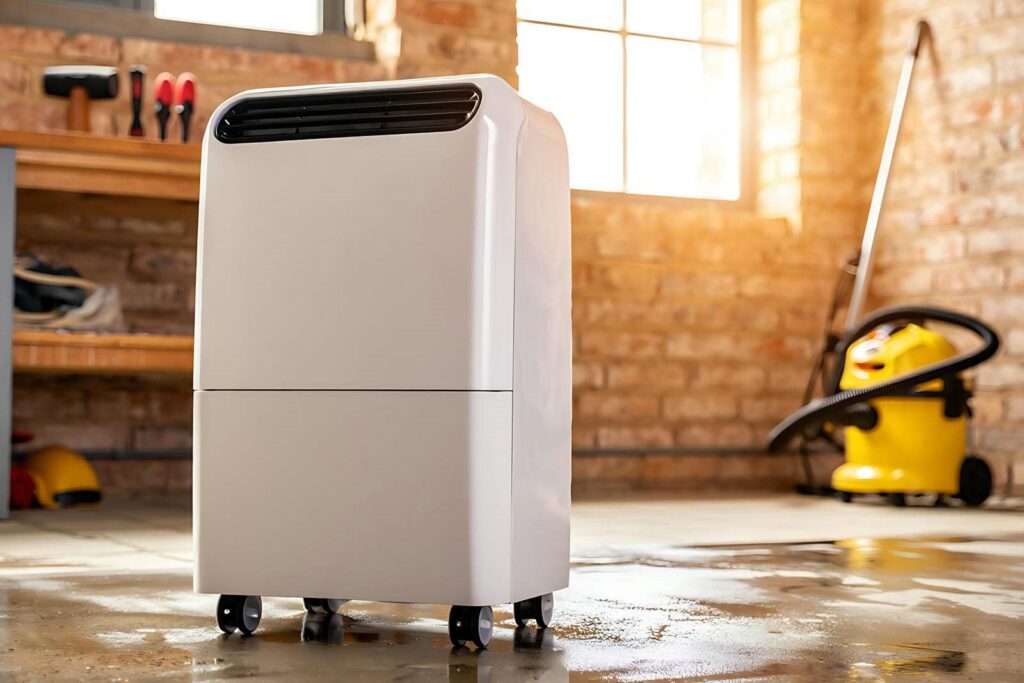
When faced with water damage, choosing emergency dehumidification isn’t just a matter of convenience; it’s essential for protecting your property. Excess moisture can quickly lead to structural issues and mold growth, which can pose serious health risks. Understanding the importance of swift action can save you time and money. But how do you know when to call in the professionals, and what should you expect from the process?
Key Takeaways
- Quick action minimizes structural damage and reduces overall restoration costs after water damage.
- Emergency dehumidification prevents mold growth by controlling moisture levels within 24 to 48 hours.
- Professional services utilize industrial-grade dehumidifiers for efficient moisture extraction and faster recovery.
- Properly managed dehumidification protects health by creating an inhospitable environment for mold spores.
- Trained technicians can identify hidden areas of moisture, reducing the risk of future damage.
What You Need to Know About Emergency Dehumidification for Water Damage
When facing water damage, understanding emergency dehumidification is vital for effective recovery.
You’ll want to familiarize yourself with various dehumidification techniques that minimize moisture and prevent mold growth. Rapid response is essential; the sooner you initiate the emergency response, the better your chances of salvaging affected areas.
Utilize high-capacity dehumidifiers to extract moisture from the air and materials. Ensure proper ventilation, as this aids in the drying process.
Monitor humidity levels frequently to assess progress and adjust your approach as needed. Remember, effective dehumidification protects your property and contributes to a healthier living environment.
Why Quick Action Is Crucial for Water Damage
Quick action is vital in mitigating the effects of water damage, as even a few hours can drastically alter the outcome of your recovery efforts.
A quick response is critical for effective damage control, enabling you to limit further issues and expenses. Here’s why acting fast matters:
- Reduces structural damage to your property.
- Minimizes the risk of hazardous mold growth.
- Lowers the overall cost of restoration.
- Protects your belongings from irreversible damage.
- Ensures a faster return to normalcy.
How Quick Action Prevents Mold Growth
Although you mightn’t see immediate effects, acting swiftly after water damage is vital in preventing mold growth.
Mold can begin to develop within 24 to 48 hours if moisture levels aren’t controlled. Implementing effective moisture control methods is essential; removing excess water and using dehumidifiers can greatly reduce humidity levels.
These mold prevention strategies help create an environment that’s inhospitable to mold spores, which thrive in damp conditions. By addressing water damage quickly, you protect your property and safeguard your health.
Benefits of Professional Water Damage Dehumidification Services
Engaging professional water damage dehumidification services can greatly enhance the effectiveness of your recovery efforts.
These experts provide tailored solutions that save you time and reduce stress, ensuring your property is restored efficiently.
Here are some key benefits:
Expert Assessment: Professionals evaluate the extent of water damage accurately.
Advanced Equipment: They use industrial-grade dehumidifiers for rapid moisture removal.
Cost Considerations: Investing in professionals can prevent future costly repairs.
Service Timelines: Quick response times minimize damage and speed up recovery.
Mold Prevention: Proper dehumidification reduces the risk of mold growth, protecting your health.
With their expertise, you can feel confident knowing you’re making the best choice for your property’s restoration.
Should You Choose DIY or Professional Dehumidification?
When faced with water damage, deciding between DIY dehumidification and hiring professionals can be challenging.
While DIY methods may seem cost-effective, they come with significant DIY risks, such as improper drying and potential mold growth. Without the right equipment and expertise, you might inadvertently worsen the situation.
On the other hand, professional dehumidification services offer numerous benefits. Trained technicians use advanced tools to ensure thorough moisture removal and can assess hidden areas that require attention. Their experience minimizes the risk of recurring issues and ensures a faster resolution.
Ultimately, weighing the potential consequences of DIY against the advantages of professional help can guide you to make the right choice for your home and peace of mind.
Expectations for the Emergency Dehumidification Process
After deciding on professional dehumidification, it’s important to know what to expect from the emergency process. This service employs advanced dehumidification techniques to ensure effective moisture removal from your property.
Here’s what you can anticipate:
Assessment: Technicians evaluate the extent of water damage and moisture levels.
Equipment Setup: High-efficiency dehumidifiers and air movers are strategically placed.
Moisture Removal: Continuous monitoring occurs to assess drying progress and adjust equipment as needed.
Final Inspection: Once the area is dry, a thorough inspection is conducted to confirm moisture levels are safe.
Prevention Advice: Professionals will provide recommendations to prevent future water damage.
Understanding these steps can help you feel more confident in the process and its effectiveness in restoring your home.
How to Spot Water Damage in Your Home
To effectively spot water damage in your home, you should look for visible water stains on walls and ceilings, which often indicate moisture issues.
Additionally, a musty odor can signal hidden dampness, while mold growth is a clear indicator that water damage has occurred.
Recognizing these signs early can help you address the problem before it escalates.
Visible Water Stains
Visible water stains are often the most telling sign of water damage in your home. When you notice these stains, it’s essential to assess the situation promptly to prevent further issues.
Look for the following indicators of visible damage:
- Discoloration on walls or ceilings
- Peeling or bubbling paint
- Warped or swollen surfaces
- Dark patches or streaks
- Mold growth around stained areas
Identifying these signs early can help you take necessary actions, including stain removal and initiating emergency dehumidification.
Musty Odors Presence
If you’ve noticed visible water stains in your home, you might also encounter musty odors, which are strong indicators of water damage.
These odors arise from damp materials and can permeate your living spaces, creating an uncomfortable environment. It’s crucial to address musty odors promptly, as they not only signal potential structural issues but can also impact your health.
Conduct a thorough inspection in areas like basements, attics, and around plumbing fixtures. If you detect persistent musty odors, consider professional odor removal services to eliminate the source effectively.
Utilizing emergency dehumidification can help reduce humidity levels, mitigate odors, and prevent further damage. Taking action quickly will protect your home and help you maintain a safe, pleasant atmosphere.
Mold Growth Indicators
Mold growth is a telltale sign of water damage that can compromise both your home’s structure and your health. Recognizing the indicators early is vital for effective mold prevention strategies. Here are some signs to look for:
- Discoloration on walls or ceilings
- Peeling or bubbling paint
- Visible mold patches, often black or green
- Increased humidity levels in your home
- A persistent musty smell
Implementing humidity control techniques can help prevent mold growth. Regularly check areas prone to moisture, like bathrooms and basements.
If you notice any of these indicators, it’s important to act quickly. Addressing water damage and employing dehumidification methods can protect your home and ensure a healthier living environment for you and your family.
Factors That Affect the Efficiency of Dehumidification
While various factors can influence the efficiency of dehumidification, understanding these elements is important for effective water damage restoration.
One key factor is the dehumidifier capacity; choosing a unit that matches the size of the affected area ensures peak performance. Additionally, current humidity levels play a key role in how quickly moisture is removed from the air. High humidity can overwhelm a dehumidifier, slowing the process considerably.
Temperature also impacts efficiency; warmer air holds more moisture, which can complicate the dehumidification process. Finally, air circulation is essential; stagnant air can hinder the dehumidifier’s effectiveness.
Long-Term Advantages of Timely Dehumidification After Water Damage
Timely dehumidification after water damage offers essential long-term benefits that you can’t afford to overlook.
By effectively managing moisture levels, you prevent mold growth and preserve the structural integrity of your property.
These proactive measures protect your health and save you from costly repairs down the line.
Prevent Mold Growth
Water damage creates an ideal breeding ground for mold, making prompt dehumidification essential. Effective humidity control is your first line of defense in mold prevention.
By addressing moisture issues quickly, you reduce the risk of mold infestations that can threaten your health and property. Here’s how timely dehumidification helps:
- Minimizes moisture levels in the air
- Reduces the likelihood of mold spores settling
- Protects indoor air quality
- Prevents structural damage caused by mold growth
- Saves on costly remediation efforts later
Taking swift action safeguards your environment and fosters a sense of security for you and your loved ones.
Preserve Structural Integrity
Effective dehumidification prevents mold growth and plays an essential role in preserving the structural integrity of your property after water damage. When you promptly implement moisture control measures, you minimize the risk of long-term damage to critical building components like beams, drywall, and insulation.
A thorough structural assessment following water events ensures that any vulnerabilities are identified early, allowing for targeted restoration efforts. Without timely dehumidification, lingering moisture can weaken materials, leading to costly repairs and safety hazards.
Frequently Asked Questions
How Much Does Emergency Dehumidification Typically Cost?
Emergency dehumidification costs typically range from $500 to $3,000, depending on factors like the extent of water damage, equipment needed, and labor involved. Pricing estimates vary, so getting a detailed quote is essential for accuracy.
Can I Stay in My Home During the Dehumidification Process?
You can stay in your home during the dehumidification process, but make certain you follow safety precautions. The equipment may affect air quality, so it’s wise to monitor conditions and leave if discomfort arises.
What Equipment Is Used for Emergency Dehumidification?
In your home’s battle against moisture, various dehumidifier types act as knights, tirelessly removing dampness. These machines, including refrigerant and desiccant models, work together to restore comfort and safety, ensuring your space remains welcoming.
How Long Does the Dehumidification Process Take?
The dehumidification timeline typically ranges from a few days to a week, depending on moisture levels and drying efficiency. Prompt action and proper equipment can greatly expedite the process, ensuring a quicker return to normalcy.
Will My Insurance Cover the Cost of Dehumidification?
Your insurance coverage might include dehumidification costs for water damage, but it depends on your policy specifics. Always review your coverage details or consult your agent to ensure you understand what’s included for such situations.
Summary
In the race against time, choosing emergency dehumidification for water damage isn’t just smart; it’s essential. Think of it as your home’s fire extinguisher, ready to combat the hidden dangers of excess moisture. By acting swiftly, you safeguard your property and health, much like a knight defending their castle. Don’t let mold take the throne; invest in professional services to restore your home efficiently. Remember, a proactive approach today can prevent costly repairs tomorrow.