 Skip to content
Did you know that water damage accounts for nearly 20% of all property insurance claims? This statistic highlights the urgent need for effective emergency water extraction methods. By quickly addressing flooding issues, you can greatly reduce potential damage and health risks. Understanding the right water extraction techniques and when to implement them can ultimately save you time and money. What steps should you take to guarantee a swift response?
Key Takeaways
- Emergency water extraction methods minimize property damage, preserving the integrity of your living environment.
- They help reduce health risks from mold growth and bacterial infections caused by standing water.
- Quick removal of water lowers restoration costs and alleviates financial strain on homeowners.
- Utilizing proper techniques ensures safety by preventing electrical hazards and structural damage.
- Professional services provide specialized equipment and expertise for thorough and effective water extraction.
Why Emergency Water Extraction Matters
When unexpected flooding or water damage occurs, understanding why emergency water extraction matters becomes essential for minimizing potential harm.
Swift action is vital in protecting your property and ensuring water safety. Stagnant water can lead to various health risks, including mold growth, bacterial infections, and structural damage.
By initiating emergency water extraction, you not only mitigate these risks but also preserve the integrity of your living environment. You’ll create a safer space for your family, reducing the likelihood of long-term health complications.
Additionally, timely extraction can greatly lower restoration costs, preventing further financial strain.
Prioritizing emergency water extraction demonstrates a commitment to your home’s safety and your loved ones’ well-being, fostering a sense of belonging and security within your community.
Common Causes of Water Damage
Water damage can stem from a variety of sources, and recognizing these common causes is essential for prevention and prompt response.
One significant source is flood damage, which can occur due to heavy rainfall, storms, or rising water levels.
Another prevalent cause is plumbing leaks, often arising from faulty pipes, worn-out seals, or appliance malfunctions. These leaks can lead to hidden moisture accumulation, fostering mold growth and structural damage.
Additionally, sewer backups can introduce contaminated water into your home, posing health risks.
Immediate Steps for Emergency Water Extraction
As soon as you notice water intrusion, it’s crucial to act quickly to minimize damage to your property.
Start by turning off the electricity in the affected area to prevent hazards. Next, remove any valuable items and furniture from the water-logged space to protect them from damage.
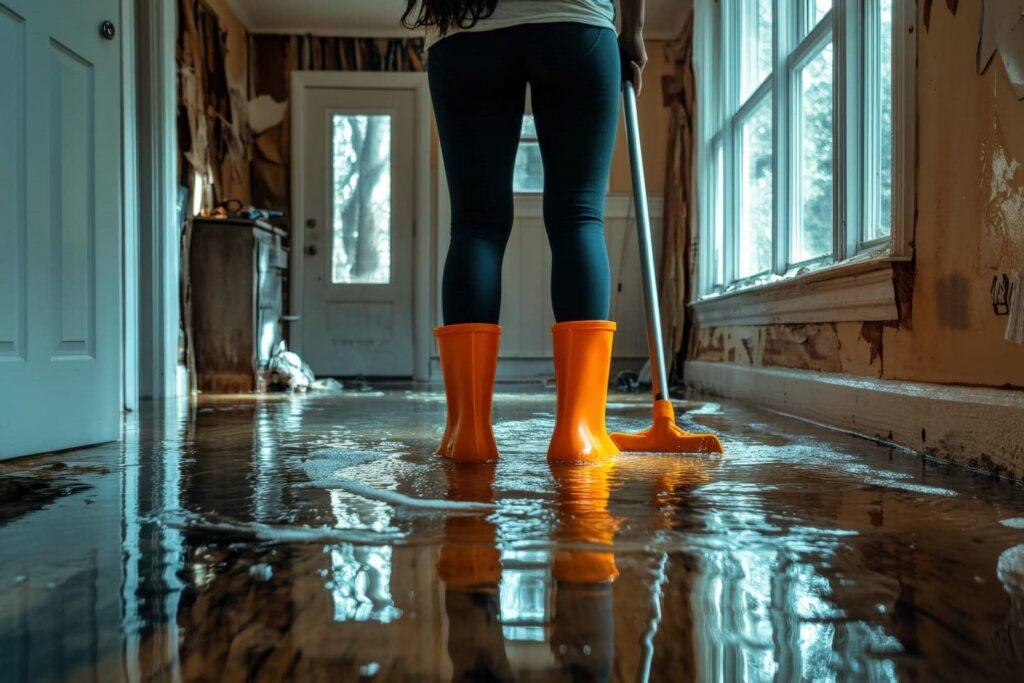
Use mops, towels, or a wet/dry vacuum for immediate water removal. If the flooding is severe, you may need to contact local flood cleanup services for assistance.
Verify proper ventilation by opening windows and using fans to facilitate drying. Assess the situation regularly, checking for mold growth or structural damage.
Taking these immediate steps can greatly reduce long-term effects and help restore your home to a safe, dry environment.
When to Choose DIY vs. Hire Professionals for Water Extraction?
Deciding whether to tackle water extraction yourself or hire professionals hinges on several factors, including the severity of the flooding and your level of experience.
If you’re facing minor leaks or small puddles, DIY techniques can be effective. You can use wet/dry vacuums, mops, and fans to manage the situation.
However, if the flooding is extensive, or if structural damage is apparent, it’s wise to opt for professional services. Professionals have specialized equipment and expertise to address severe water damage, ensuring thorough extraction and minimizing health risks, like mold growth.
Ultimately, consider your comfort level with the task, the amount of time you can dedicate, and the potential long-term effects of your choice on your home and well-being.
How to Prevent Future Water Damage After Extraction
To prevent future water damage after extraction, it’s crucial to assess and address potential vulnerabilities in your home.
Start by implementing effective waterproofing techniques, such as applying sealants to basements and crawl spaces. These create a barrier against moisture, considerably reducing the risk of leaks.
Next, consider upgrading your drainage solutions. Verify gutters are clean and downspouts direct water away from your foundation. Installing French drains can also help manage water flow around your property.
Regularly inspect pipes for leaks and maintain your plumbing system to address issues before they escalate.
Frequently Asked Questions
How Long Does the Emergency Water Extraction Process Typically Take?
The emergency water extraction process typically takes a few hours to several days, depending on extraction timeline factors like water removal efficiency, extent of damage, and the equipment used. Prompt action can greatly reduce time.
What Equipment Is Commonly Used for Water Extraction?
For effective water extraction, you’ll typically use suction pumps to remove standing water and moisture meters to assess humidity levels. This combination guarantees thorough drying and prevents further damage to your property.
Are There Health Risks Associated With Water Damage?
Yes, there are serious health hazards from water damage. Mold growth can explode, threatening your respiratory health and causing allergies. You’ve got to act fast to protect yourself and your loved ones from these hidden dangers.
Can I Stay in My Home During the Extraction Process?
You shouldn’t stay in your home during the extraction process due to potential hazards. Prioritize home safety and expect the extraction duration to vary, depending on the extent of the water damage and necessary repairs.
How Can I Assess the Extent of Water Damage?
Evaluating water damage is like peeling an onion; each layer reveals more. Use moisture detection tools to analyze affected areas thoroughly. Document findings for restoration experts to guarantee effective remediation and protect your home’s integrity.
Wrap-Up
Using emergency water extraction methods not only protects your property but also safeguards your health. By acting swiftly, you minimize damage, mitigate mold growth, and guarantee a safer living environment. Whether you choose to tackle the issue yourself or enlist professional help, prompt action is key. Remember, the steps you take today can prevent costly repairs tomorrow, preserve your home’s integrity, and enhance the well-being of your family. Don’t wait act now to secure your space against future water damage.