 Skip to content

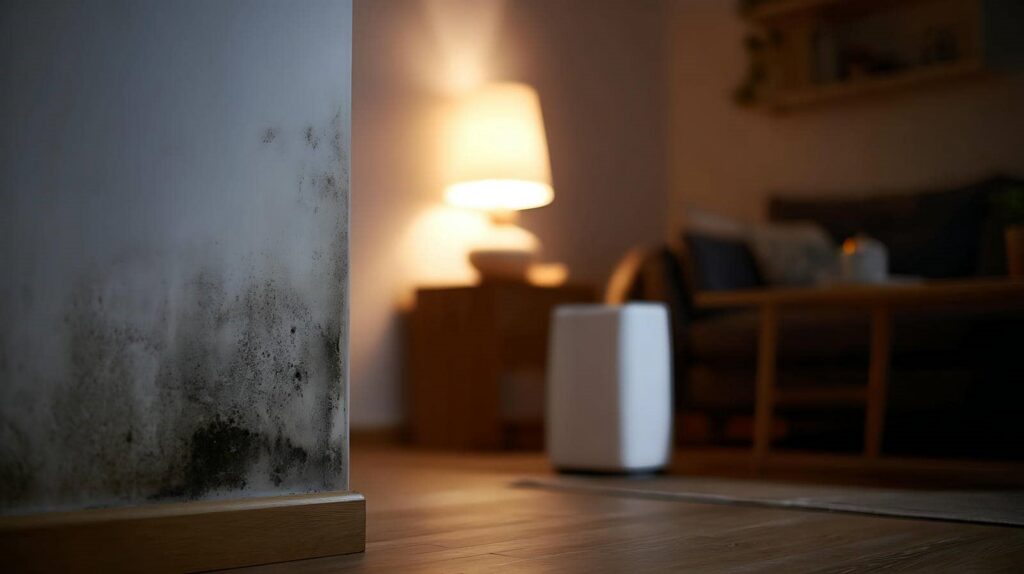
Identifying and addressing moisture issues quickly is critical for maintaining a safe living environment. In this guide, you’ll discover essential tips to effectively manage emergency dehumidification. Understanding these strategies can make all the difference in preventing further complications in your space.
Key Takeaways
- Identify signs of excess moisture, like mold growth and musty odors, to address issues promptly.
- Choose the right dehumidifier capacity based on room size for optimal efficiency.
- Ensure proper ventilation by opening windows and using exhaust fans to aid moisture removal.
- Regularly monitor humidity levels and adjust dehumidifier settings as needed for effective moisture control.
- Keep safety in mind by using equipment rated for wet conditions and wearing protective gear during the dehumidification process.
Why Emergency Dehumidification Matters
Emergency dehumidification is crucial for preventing extensive damage in water-damaged environments. When excess moisture lingers, it creates a breeding ground for mold and mildew, leading to significant health risks for you and your loved ones.
These microorganisms can trigger respiratory issues, allergies, and other health complications. Additionally, prolonged exposure to damp conditions can cause structural property damage, compromising the integrity of your home and belongings.
By promptly addressing humidity levels, you safeguard your health and protect your investment. Implementing effective dehumidification strategies ensures you maintain a safe, comfortable living space.
Identify Signs of Excess Moisture in Your Space
If you notice visible mold growth or encounter musty odors, your space likely has excess moisture.
These signs can indicate underlying issues that could lead to more serious problems if not addressed promptly.
Recognizing these indicators is essential for effective emergency dehumidification.
Visible Mold Growth
Visible mold growth is a clear indication that excess moisture is present in your space, often signaling potential health risks and structural damage. You should promptly address this issue to protect both your health and your property.
Implementing mold prevention strategies, like controlling humidity levels and ensuring proper ventilation, can greatly reduce the likelihood of mold formation. If you notice mold, it’s essential to utilize effective mold remediation techniques, such as cleaning with specific antifungal solutions or hiring professionals for extensive infestations.
Regularly inspect areas prone to moisture, like basements and bathrooms, to catch any signs early. By being proactive, you’ll foster a healthier environment and safeguard your living space against future mold-related issues.
Musty Odors Present
When you notice musty odors in your space, it often signals the presence of excess moisture that needs immediate attention. Identifying musty odor sources is essential for maintaining a healthy environment.
Here are some signs to watch for:
- Damp or water-stained walls and ceilings
- Condensation on windows or pipes
- A constant feeling of humidity in the air
- Peeling paint or wallpaper
- Visible mold or mildew growth
To eliminate musty odors effectively, address the underlying moisture problem. Use dehumidifiers, increase ventilation, and repair leaks.
Regularly check for hidden water sources, and ensure your space remains dry. By tackling these issues promptly, you’ll create a fresher, more inviting atmosphere for everyone.
Select the Right Dehumidifier
Choosing the right dehumidifier is essential for effectively managing excess moisture in your space.
Start by evaluating dehumidifier types; options include refrigerant, desiccant, and whole-house models. Each type has unique benefits suited for different environments. For instance, refrigerant models excel in warm, humid areas, while desiccant units work well in cooler spaces.
Next, consider dehumidifier capacity, which indicates how much moisture a unit can remove in 24 hours.
Match the capacity to the size of your space—smaller rooms typically need around 30 pints, while larger areas may require 70 pints or more.
Optimize Your Dehumidification Setup for Efficiency
To optimize your dehumidification setup, you need to choose the right equipment that suits your specific needs.
Maintaining an ideal temperature and ensuring proper airflow are essential for maximizing efficiency.
Choose Proper Equipment
Selecting the right equipment is essential for optimizing your dehumidification setup, as it directly impacts efficiency and effectiveness.
Understanding various dehumidifier types can help you make informed choices for moisture removal in your space. Here are some key considerations:
Capacity: Choose a dehumidifier that matches the size of the area.
Type: Opt for either refrigerant or desiccant dehumidifiers based on your environment.
Energy Efficiency: Look for Energy Star-rated models to save on energy costs.
Portability: Verify the unit can be easily moved if needed.
Maintenance: Select equipment with easy-to-clean filters for continuous performance.
Maintain Ideal Temperature
While maintaining the ideal temperature in your space, you can greatly enhance the efficiency of your dehumidification setup.
Effective temperature control is vital; a range between 68°F and 72°F usually promotes the best humidity balance. When temperatures are too low, the dehumidifier’s performance can diminish, leading to prolonged drying times.
Conversely, excessive heat can increase humidity levels, making it harder for the unit to function. By monitoring and adjusting the temperature, you create an environment conducive to quick moisture removal.
This aids in protecting your property from damage and fosters a sense of community among those affected by moisture issues.
Stay proactive in your temperature management to ensure your dehumidification efforts are as effective as possible.
Ensure Proper Airflow
Maintaining an ideal temperature sets the stage for effective dehumidification, but without proper airflow, even the best conditions can fall short.
Ensuring optimal air circulation is essential for moisture control. Here are some tips to enhance airflow in your setup:
- Position dehumidifiers strategically to maximize efficiency.
- Keep windows and doors closed to prevent external humidity intrusion.
- Use fans to promote even air distribution throughout the space.
- Remove obstructions, like furniture, that could block airflow.
- Regularly clean and maintain your dehumidifier for peak performance.
Monitor Humidity Levels After Setting Up Dehumidifiers
Monitoring humidity levels after setting up dehumidifiers is essential for ensuring ideal performance and effectiveness. By implementing consistent humidity monitoring, you can gauge how well your dehumidifiers are working and whether adjustments are needed.
After you’ve strategically determined dehumidifier placement, keep an eye on the moisture readings in the affected area. This process helps you identify any persistent damp spots and assess the overall drying progress.
If humidity levels remain high, consider repositioning your dehumidifiers or increasing their capacity. Remember, an effective dehumidification strategy relies on ongoing evaluation.
How to Optimize Ventilation for Effective Drying
To optimize ventilation for effective drying, you should open windows and doors to create cross-ventilation.
Utilizing exhaust fans can help remove humid air from the space, enhancing the drying process.
Additionally, installing air movers will improve airflow, further reducing moisture levels and accelerating drying times.
Open Windows and Doors
While you may think that sealing your home tight is the best way to manage humidity, opening windows and doors can greatly enhance ventilation and promote effective drying.
Natural ventilation allows fresh air to circulate, pushing out humid air. However, consider weather conditions before doing so.
Here are some tips to optimize ventilation:
- Open windows on the side of your home opposite the wind direction for better airflow.
- Use screens to keep insects out while allowing airflow.
- Open doors to create a cross-ventilation effect.
- Check humidity levels outside; dry, breezy days are ideal.
- Close windows and doors once humidity rises to maintain effectiveness.
Utilize Exhaust Fans
After improving ventilation with open windows and doors, utilizing exhaust fans can greatly enhance your dehumidification efforts.
Proper exhaust fan placement is essential; position fans in areas where moisture accumulates, such as basements or kitchens. This targeted approach helps pull humidity-laden air outside, promoting a drier environment.
Adjusting fan speed settings also plays an important role in optimizing airflow. Higher speeds can quickly remove excess moisture, while lower speeds can maintain consistent ventilation, preventing the air from becoming stagnant.
By effectively using exhaust fans, you create a balanced airflow that accelerates the drying process, ensuring that your space is more comfortable and safer from potential mold growth.
Embrace these strategies, and you’ll feel a sense of accomplishment in your dehumidification efforts.
Install Air Movers
Installing air movers can greatly enhance ventilation and expedite the drying process in areas affected by excess moisture. To maximize their effectiveness, consider various air mover types and strategic air mover placement.
Identify the source of moisture to direct airflow efficiently.
Position air movers at angles that create a circular airflow pattern.
Utilize multiple units to cover larger areas and ensure uniform drying.
Adjust the speed settings according to the humidity levels for peak performance.
Regularly monitor the drying progress to reposition air movers as needed.
Locate Hidden Moisture Issues in Your Space
Hidden moisture issues can lurk in various areas of your space, often going unnoticed until they cause significant damage. To effectively locate these problems, start with thorough moisture detection.
Check for hidden leaks around pipes, appliances, and in walls or ceilings. Use a moisture meter to measure levels in suspect areas; anything above normal could indicate a hidden issue.
Don’t forget to inspect less obvious places, like under sinks or behind furniture, where moisture can accumulate without your knowledge. Keep an eye out for water stains or mold, as these can be telltale signs of underlying moisture problems.
Stay Safe While Dehumidifying Your Space
As you tackle dehumidification in your space, it’s crucial to prioritize safety to prevent accidents and ensure effective moisture removal.
Implementing the right safety precautions ensures you’ll handle the process smoothly. Here are some key tips to keep in mind:
Use electrical equipment that’s rated for wet conditions.
Keep emergency kits handy, stocked with essentials like a flashlight and first aid supplies.
Maintain proper ventilation to avoid mold growth during dehumidification.
Wear protective gear, such as gloves and masks, especially if dealing with hazardous materials.
Stay aware of your surroundings to prevent slips or falls.
When to Seek Professional Dehumidification Help?
When should you consider calling in professionals for dehumidification? If you notice emergency signs like persistent mold growth, musty odors, or considerably damp areas, it’s time to act.
These issues often indicate underlying moisture problems that DIY methods can’t resolve. A professional evaluation will provide a thorough assessment of your space, ensuring that all sources of humidity are addressed effectively.
If your dehumidifier runs continuously without noticeable improvement, that’s another cue to seek expert help. Additionally, if you’ve experienced substantial water damage, professional dehumidification is essential to prevent health risks and structural damage.
Trusting professionals restores your environment and gives you peace of mind, knowing your home is safe and comfortable for you and your loved ones.
Maintain Your Space to Prevent Future Moisture Issues
To effectively prevent future moisture issues, it’s essential to regularly maintain your space and address any potential problems before they escalate.
Implementing preventative measures will help you protect your environment and enhance the comfort of your home. Here are some key steps to take into account:
- Inspect and repair any leaks in pipes or roofs.
- Verify proper ventilation in areas prone to moisture, like bathrooms and kitchens.
- Install moisture barriers in basements and crawl spaces.
- Use dehumidifiers during humid months to control indoor humidity levels.
- Regularly clean gutters and downspouts to direct water away from your foundation.
Frequently Asked Questions
How Long Does Dehumidification Typically Take to Show Results?
Dehumidification typically shows results within 24 to 48 hours, depending on conditions. You can expect noticeable humidity reduction during this dehumidification timeline, as moisture levels gradually decrease, improving your environment’s comfort and safety.
Can I Use a Regular Fan Instead of a Dehumidifier?
You can use a regular fan, but its efficiency in moisture control is limited. Fans circulate air, while dehumidifiers actively remove moisture, providing better results in reducing humidity levels and improving comfort in your space.
What Is the Ideal Humidity Level for Indoor Spaces?
You’ll want indoor humidity levels around 30-60% for perfect comfort. Anything higher feels like a sauna, while lower can lead to dry skin. Effective humidity control creates a cozy space you’ll love spending time in!
How Often Should I Empty the Dehumidifier’s Water Tank?
You should empty your dehumidifier’s water tank regularly, ideally every day or when it’s full. Consistent water tank maintenance boosts dehumidifier efficiency, ensuring peak performance and a comfortable indoor environment for you and your loved ones.
Are There Any Health Risks Associated With High Humidity?
High humidity’s harmful health effects can include respiratory issues and mold growth. You need effective humidity control to create a comfortable, clean space that promotes well-being and safeguards your health from potential risks.
Conclusion
Incorporating these tips for emergency dehumidification can make a significant difference in protecting your space from moisture-related damage. By regularly monitoring humidity and addressing issues promptly, you can prevent mold growth and improve indoor air quality. Staying proactive enhances your comfort and safeguards your property, ensuring a healthier environment for you and your family.