 Skip to content
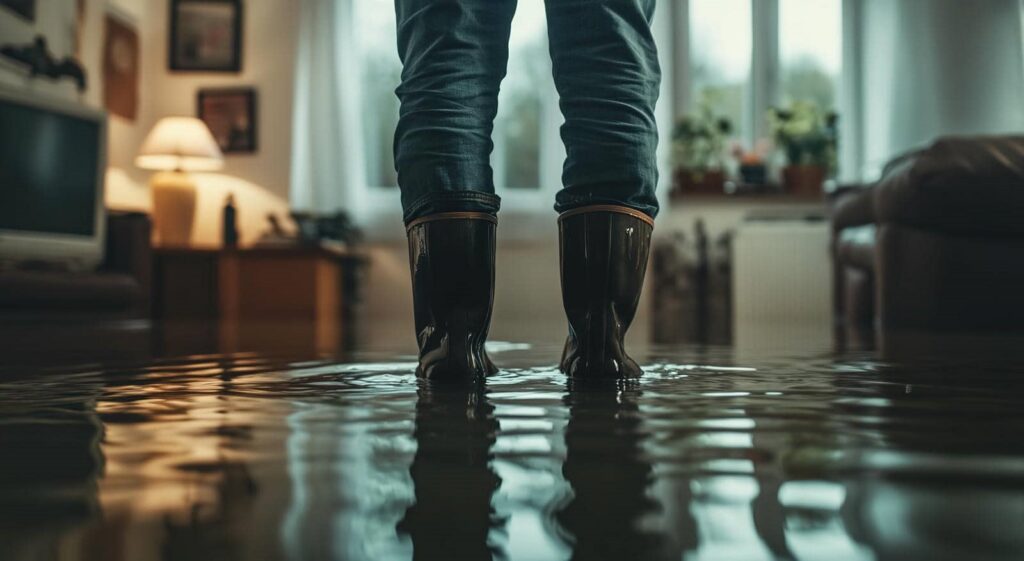
Just as a ship must navigate turbulent waters to reach safe shores, you must tackle post-water damage cleanup with precision and care. The right strategies can make all the difference in restoring your space and preventing future issues. By focusing on immediate drying, thorough inspections, and effective mold prevention, you can ensure a safer environment. But what steps should you take first to achieve the best results?
Key Takeaways
- Begin the drying process immediately by enhancing air circulation with fans and opening windows for cross-ventilation.
- Use dehumidifiers to extract moisture from the air and surfaces, maintaining humidity levels below 60%.
- Inspect all affected areas thoroughly, including hidden spots, for signs of mold growth and water damage.
- Clean and disinfect surfaces to prevent mold development and ensure a safe environment post-cleanup.
- Regularly maintain plumbing and drainage systems to prevent future water damage and related issues.
How to Identify Water Damage
How can you tell if your home has sustained water damage? Start by inspecting your walls and ceilings for water stains, which often appear as yellow or brown patches.
These stains indicate moisture infiltration, compromising the aesthetic of your space. Next, check for any warped or sagging surfaces, as these can signal issues with your home’s structural integrity.
Pay attention to musty odors, too; they can suggest mold growth, a common consequence of prolonged moisture exposure.
Finally, examine your floors for any signs of dampness or buckling. Identifying these symptoms early can help you address the problem effectively and protect your home, ensuring it remains a safe and welcoming space for you and your loved ones.
Drying Techniques to Minimize Damage
To effectively minimize water damage, you should begin the drying process as soon as possible. Start by enhancing air circulation in affected areas. Open windows and doors to create cross-ventilation, which greatly aids moisture removal.
You can also use fans to direct airflow, ensuring that air reaches hidden corners and crevices.
Dehumidifiers are invaluable tools for extracting excess moisture from the air and surfaces. Place these devices strategically in damp areas to maximize their impact. If the damage is extensive, consider renting specialized drying equipment.
Monitor humidity levels with a hygrometer to confirm they drop to safe levels. By prioritizing prompt and thorough drying techniques, you’ll help protect your home and belongings from further damage.
Mold Prevention After Water Damage
While drying your home is essential, taking proactive steps to prevent mold growth after water damage is equally important.
Start by thoroughly inspecting all areas affected by moisture, focusing on hidden spots like behind walls and under carpets. Use dehumidifiers and fans to maintain low humidity levels, ideally below 60%.
Ensure proper ventilation in your home, especially in bathrooms and kitchens. Consider applying mold-resistant paint and sealants in vulnerable areas.
Regularly clean and check your gutters and downspouts to prevent water accumulation. Finally, promptly address any plumbing leaks or water intrusions.
Frequently Asked Questions
What Should I Do Immediately After Discovering Water Damage?
When you discover water damage, contact emergency services and your insurance provider immediately. Document the damage with photos, move belongings to safety, and begin removing excess water. Act quickly to prevent further issues.
How Can I Prevent Future Water Damage in My Home?
To prevent future water damage, invest in effective waterproofing techniques and implement reliable drainage solutions. Regularly inspect your home’s exterior, ensuring gutters and downspouts are clear, so you can protect your space from potential flooding.
Will My Insurance Cover Water Damage Cleanup Costs?
Your insurance policies may cover water damage cleanup costs, but it depends on your specific coverage limits. Review your policy carefully and consult your agent to ensure you understand what’s included and any potential exclusions.
How Long Does It Take for a Home to Dry Completely?
It typically takes three to five days for your home to dry completely, depending on drying techniques used and moisture meters’ readings. Consistent monitoring ensures effective moisture removal, promoting a healthier living environment for you.
Should I Hire a Professional or Handle Cleanup Myself?
You should weigh the cost comparison carefully. While DIY might save money, consider the risks involved—mold growth and structural damage can escalate. Hiring professionals ensures a thorough cleanup, safeguarding your home and peace of mind.
Final Thoughts
In the aftermath of water damage, think of yourself as the hero in a battle against the elements. By swiftly drying out affected areas, conducting a thorough inspection, and implementing mold prevention strategies, you’re not just repairing your home; you’re fortifying it against future threats. Remember, like a well-prepared knight, your proactive measures today will protect your castle tomorrow. So, stay vigilant and ensure your sanctuary remains safe and sound for years to come.